
Lighting · May 2026
Start with Lighting: The Rule That Changed Our Renovation
Learn why lighting decisions must come before paint, furniture, or flooring in any renovation, especially in a historic home with 10-foot ceilings.
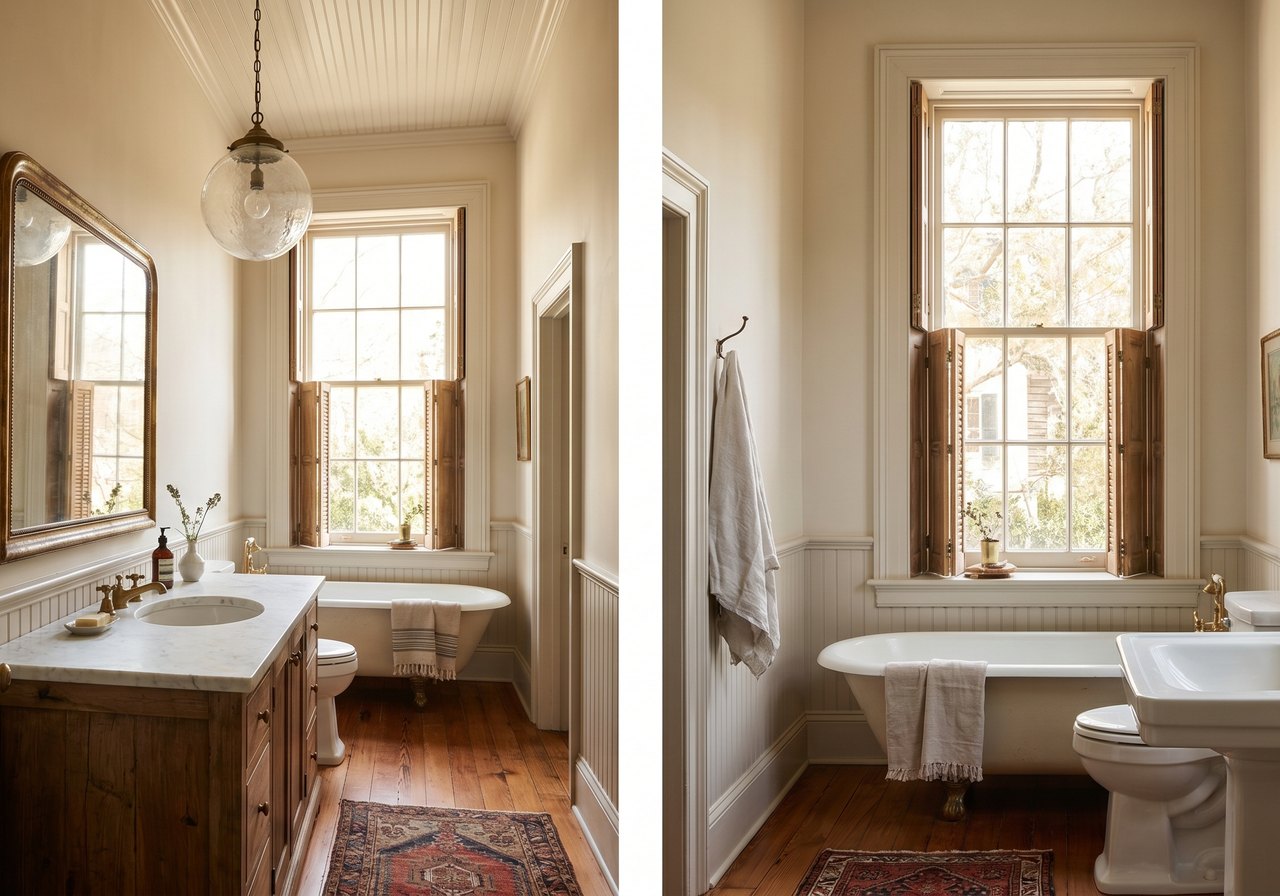
Michelle Wharton shares what went wrong in their historic bathroom pendant lighting plan, what they chose instead, and the specific fixtures that finally worked.
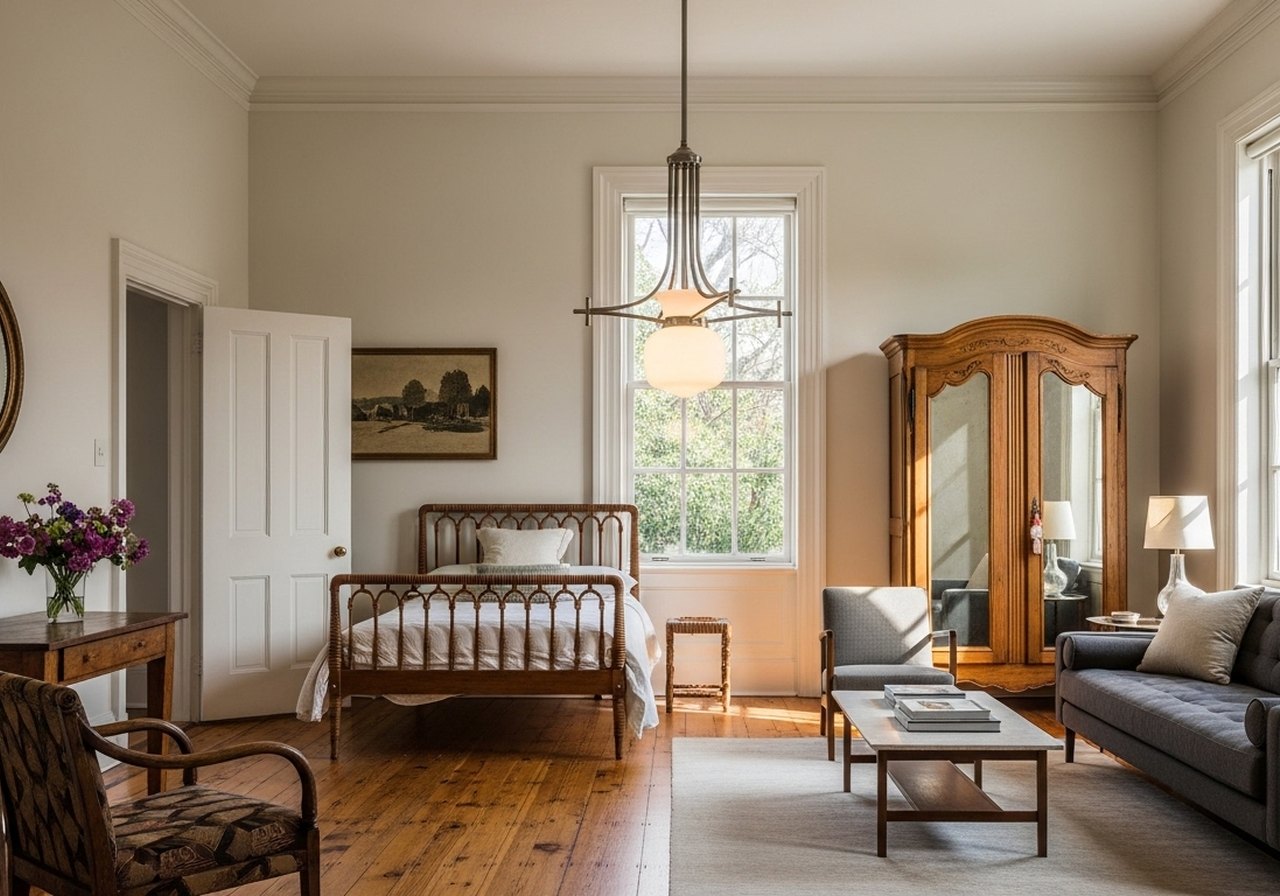
Michelle Wharton explains why bauhaus lighting kept winning in her 1890s Charleston home. And which bauhaus pendant lights she'd actually recommend for historic interiors.
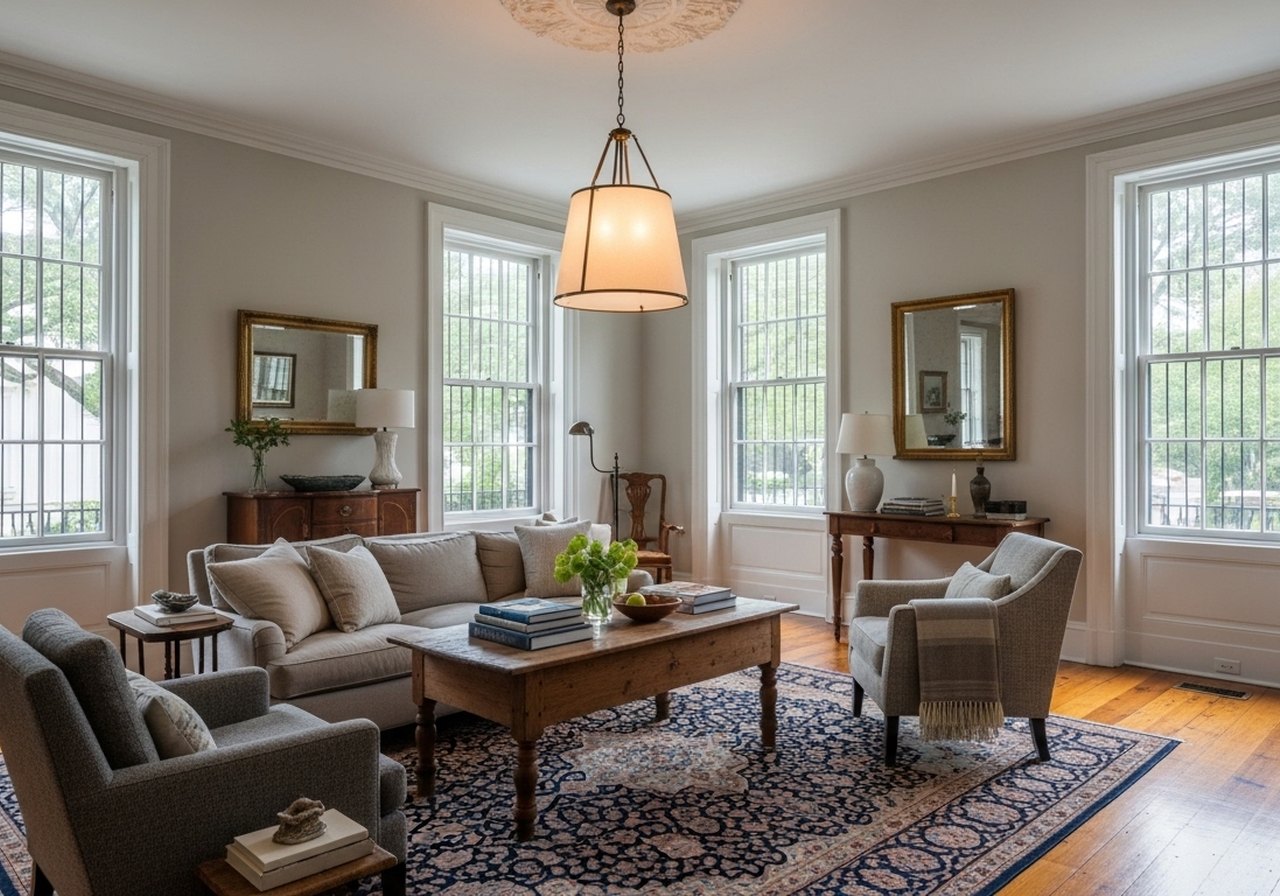
If your house has 10-foot ceilings and you are buying fixtures designed for 8-foot ones, your house is going to look like an afterthought. Drop length is the metric nobody puts on the box. Every fixture in this house, in numbers, and the $120 of chain that made $3,000 of fixtures look bought for the room.
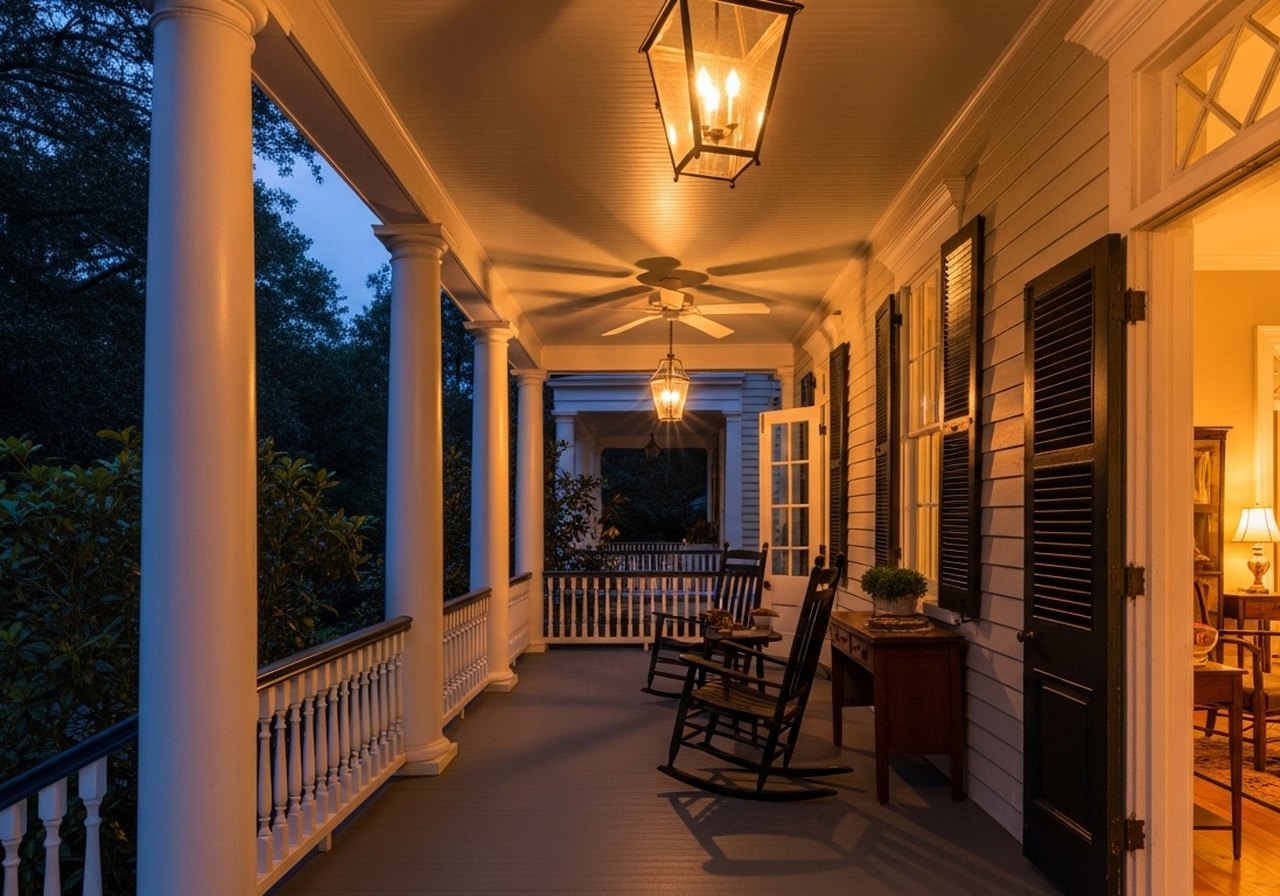
In Charleston the side porch is called a piazza, and lighting one is harder than it looks: 42 feet long, so one fixture lights nothing, and three blocks from the harbor, so damp-rated rusts in a year. Four wall lanterns, one hanging, one dimmer, and a house that glows the right way from the street.
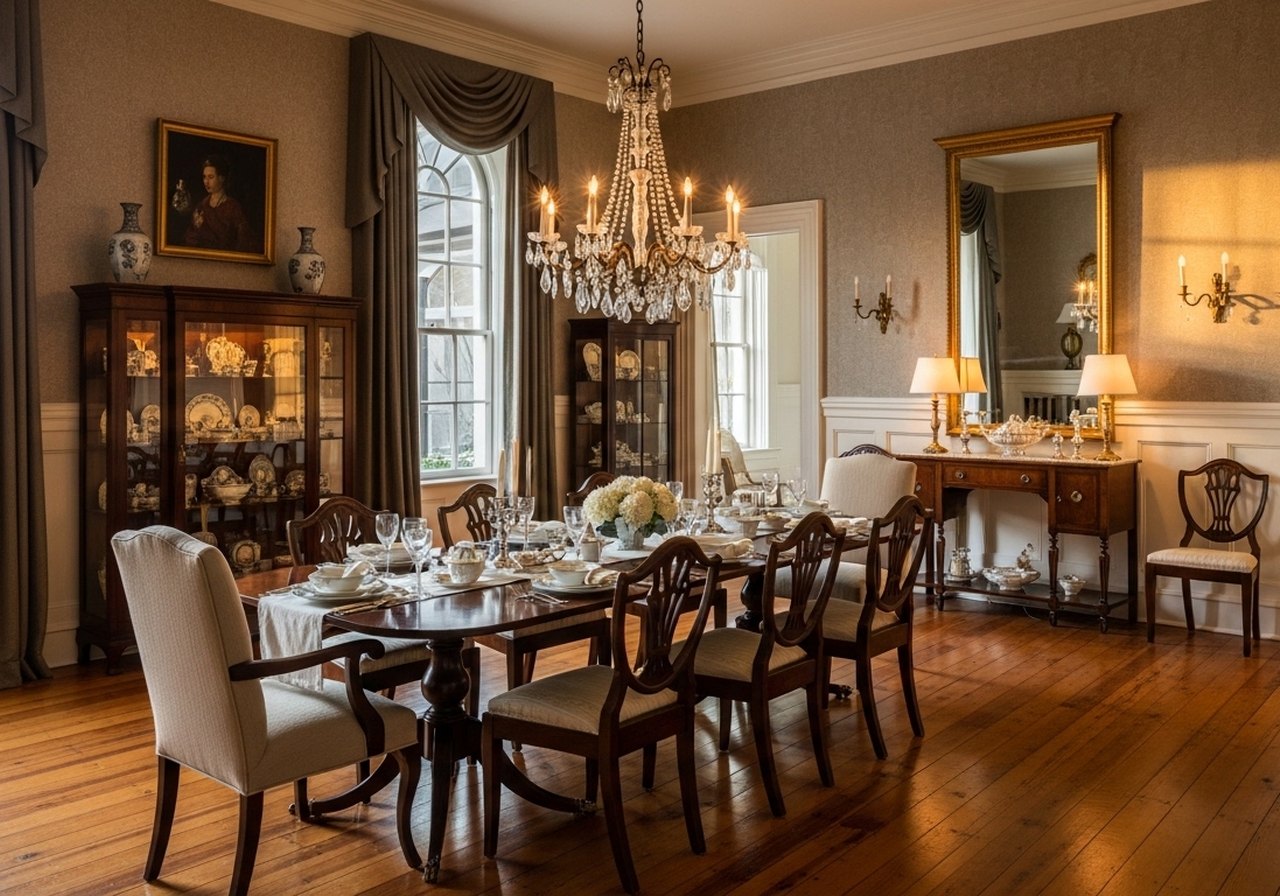
We had a builder-grade flush mount in the dining room for eight months, and every dinner felt like a doctor's waiting room. The chandelier we chose is brass and seeded glass, nothing radical, proportioned for the room, and dimmed to 40 percent it made the room a place to linger.
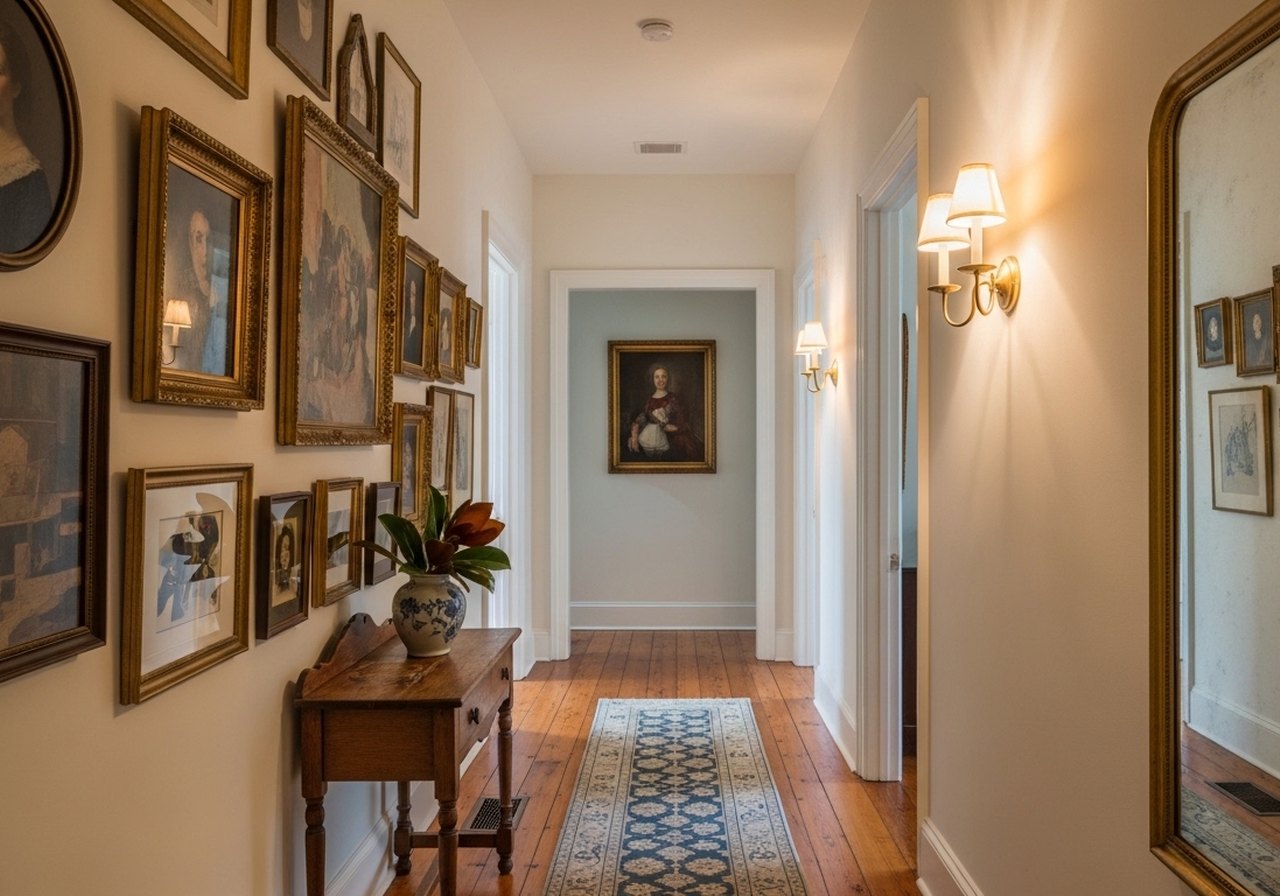
Our main hallway is the spine of the house, and for a year it had one overhead at one end and a far end that was always dim. Sconces every 8 to 10 feet at eye level turned it into a sequence of warm pools, and the wiring came through the attic without cutting the plaster.
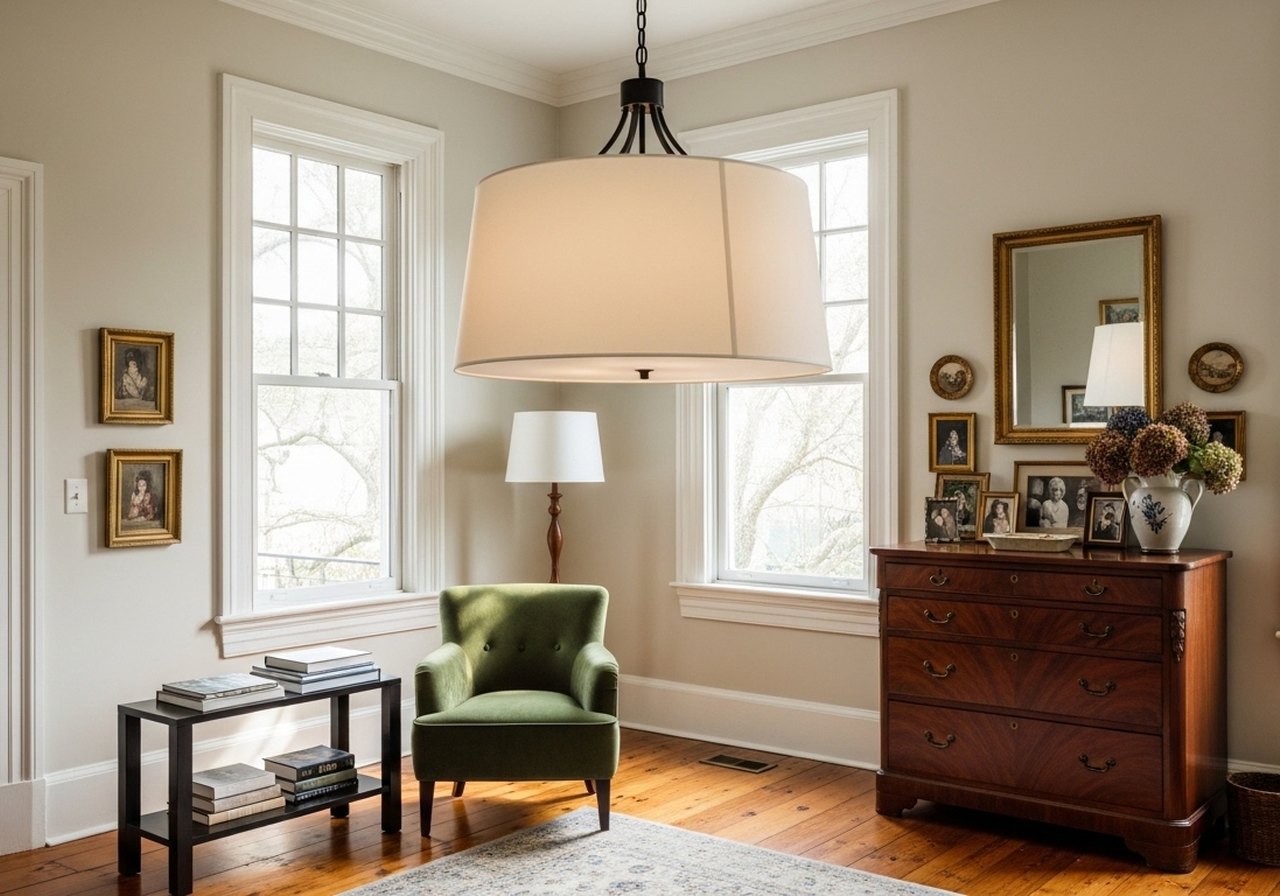
The most consistent mistake in historic homes is the pendant that is too small for the room. A 14 by 16 room wants about 30 inches; most people buy 20 and wonder why it looks wrong. The formula, the exceptions, and every room in our house in numbers.
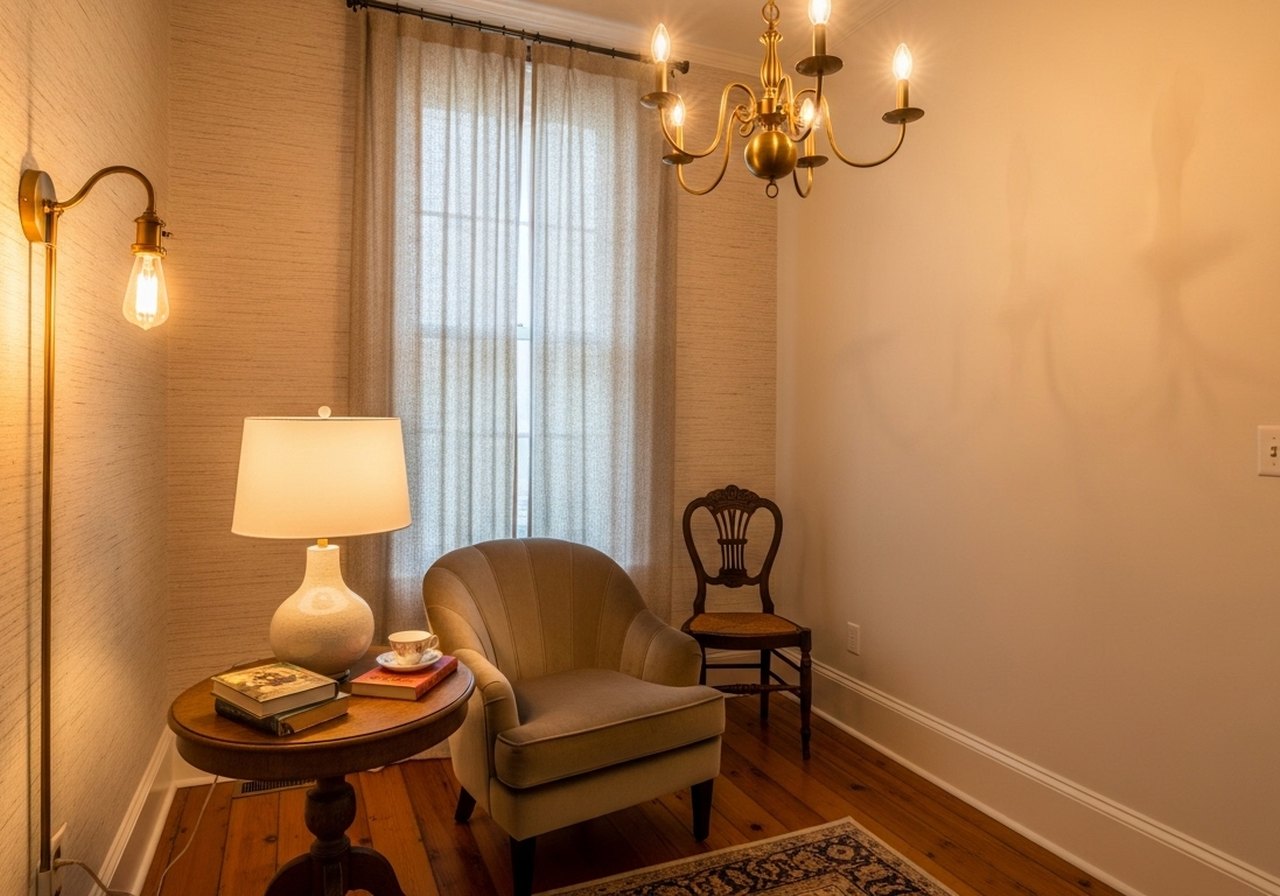
The hardest room in the house to light is the small one. Large rooms are forgiving; a 14 by 16 back parlor demands that every source earn its place. Four sources, about $250, and a room that reads as intimate because its light is where people are.
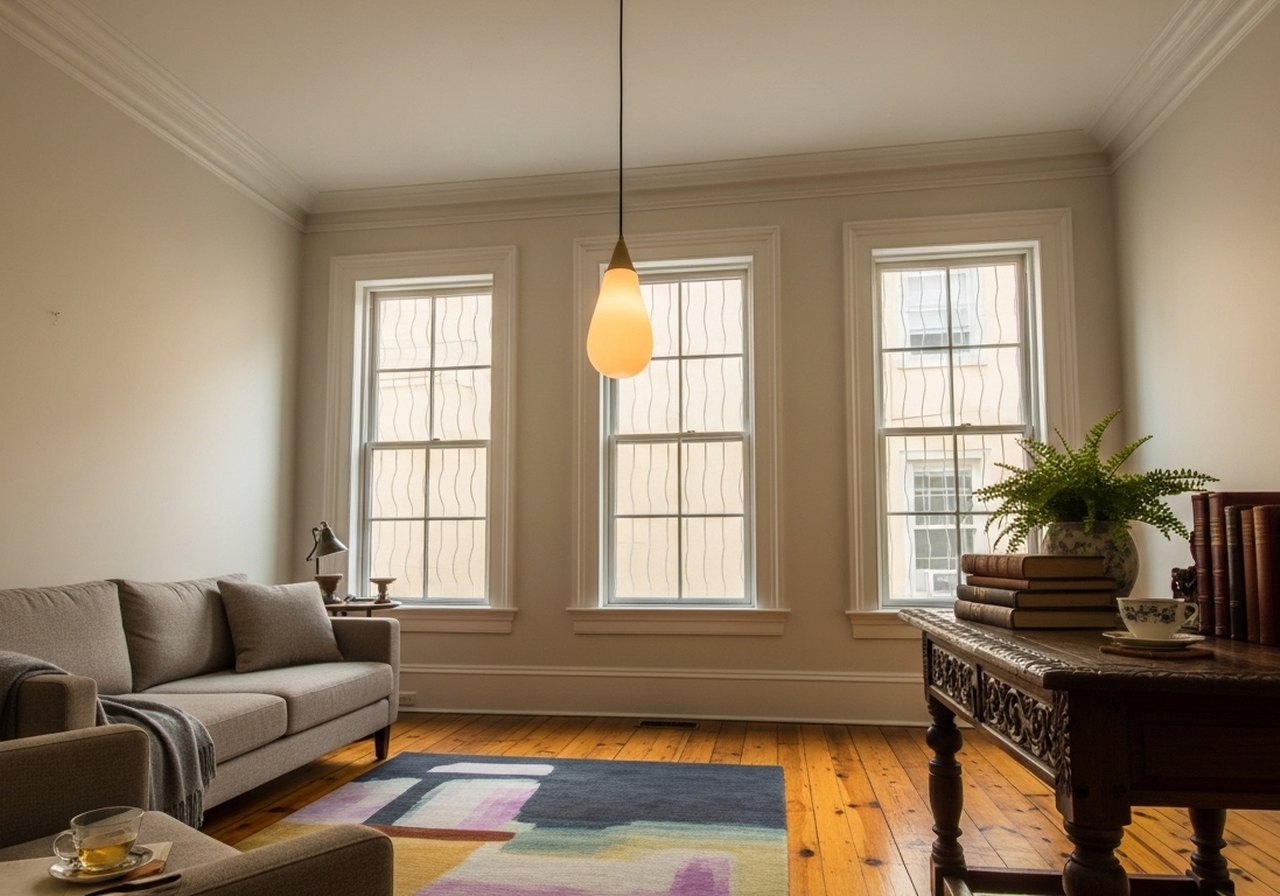
Everyone who visits comments on the ceilings first. What they do not notice is that those same ceilings make the lighting easier than a modern house: fixtures hang low enough to feel intimate, medallions give a center point, and there is room for a warm layer where people live.
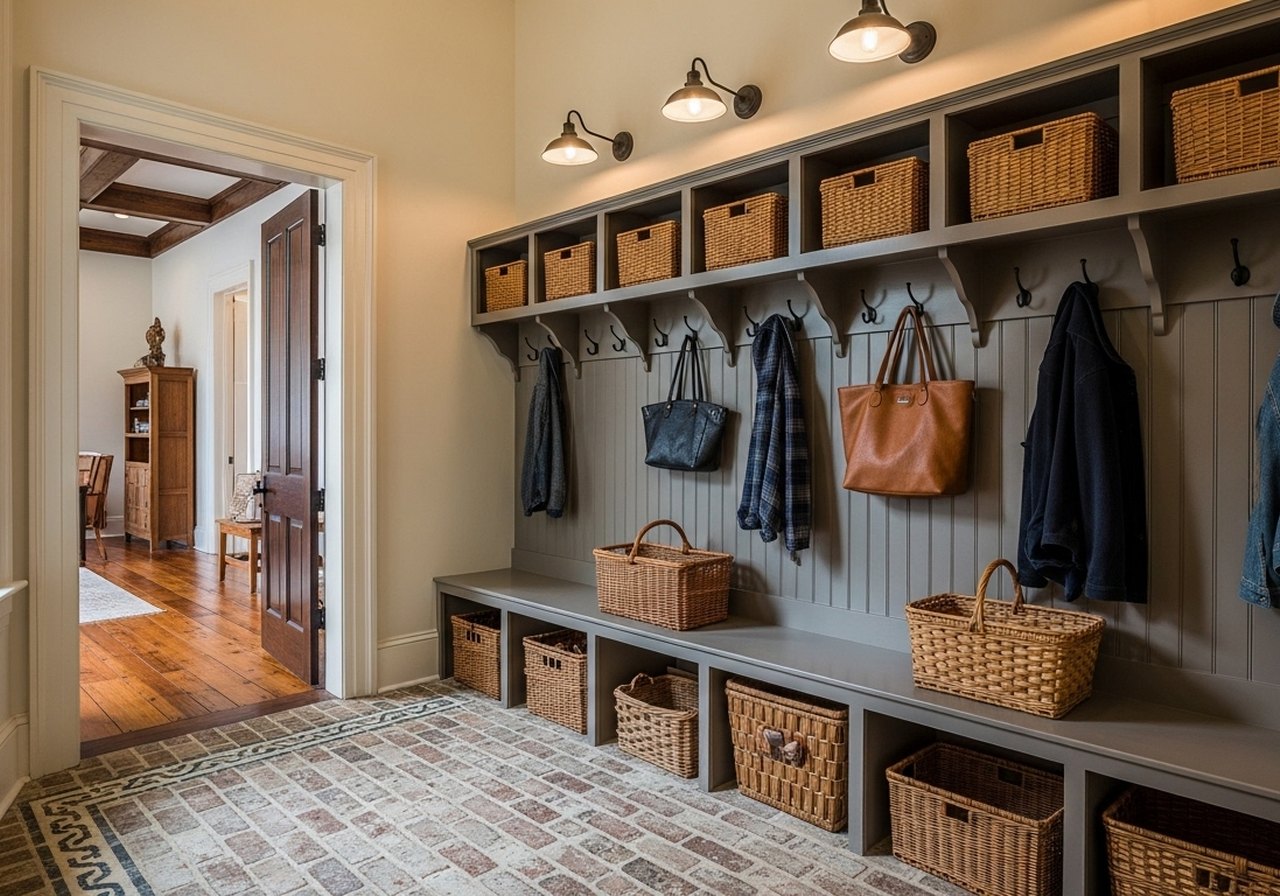
A 6 by 9 back hall that takes more abuse than any room we own. The fixture, the bulb, the bench sconce, and the two switches I'd wire before anything else.
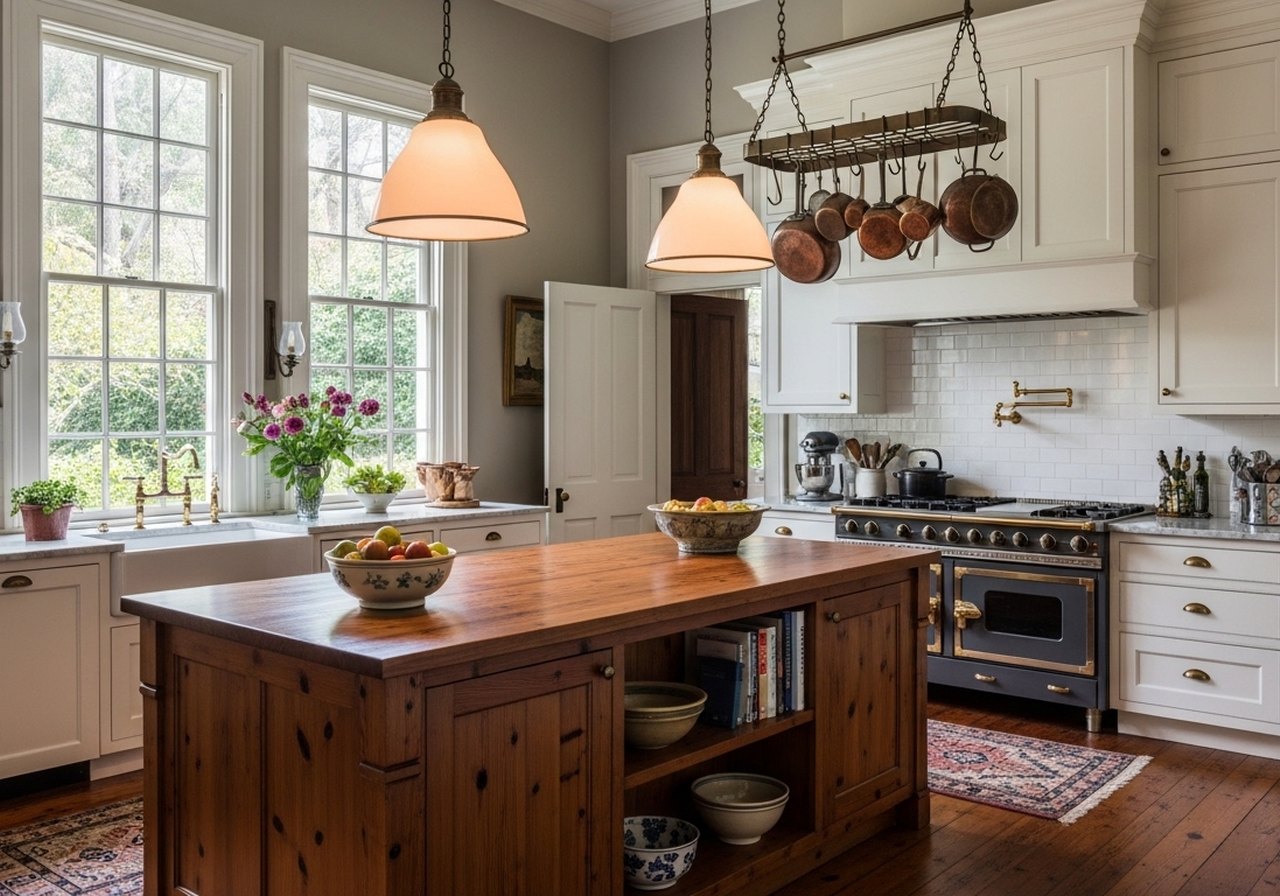
This question comes up more than any other. The standard range is 30 to 36 inches; I have measured a lot of kitchens and 32 is the number. We hung ours at 34, lived a week, and dropped them. The caveats, the arithmetic and the one rule that is not approximate.
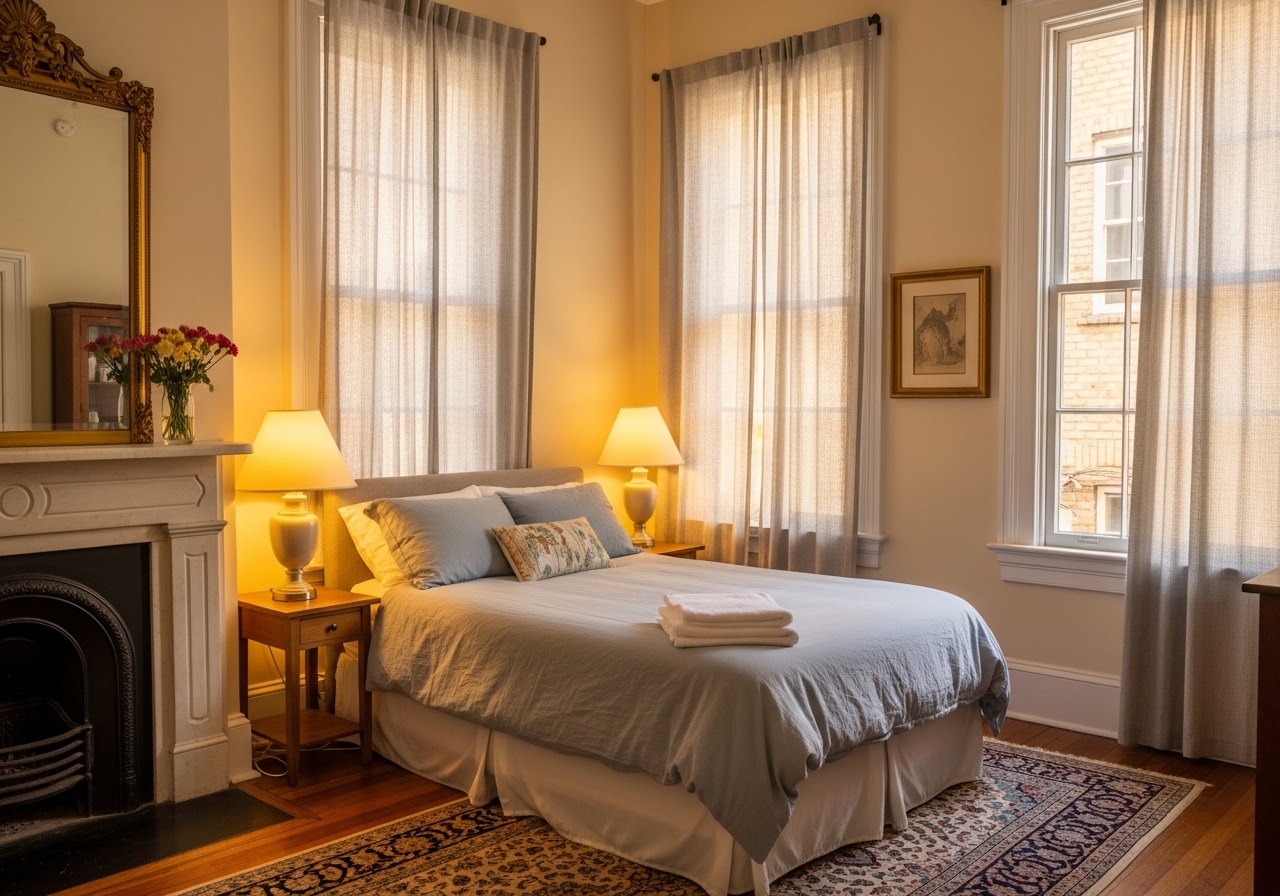
Small rooms have a lighting paradox: enough light to function, and too much overhead makes them a cardboard box. Abandon the ceiling as the main light, put matched sconces at the bed, and use the nightstand's space for a chair. The room stops measuring itself.
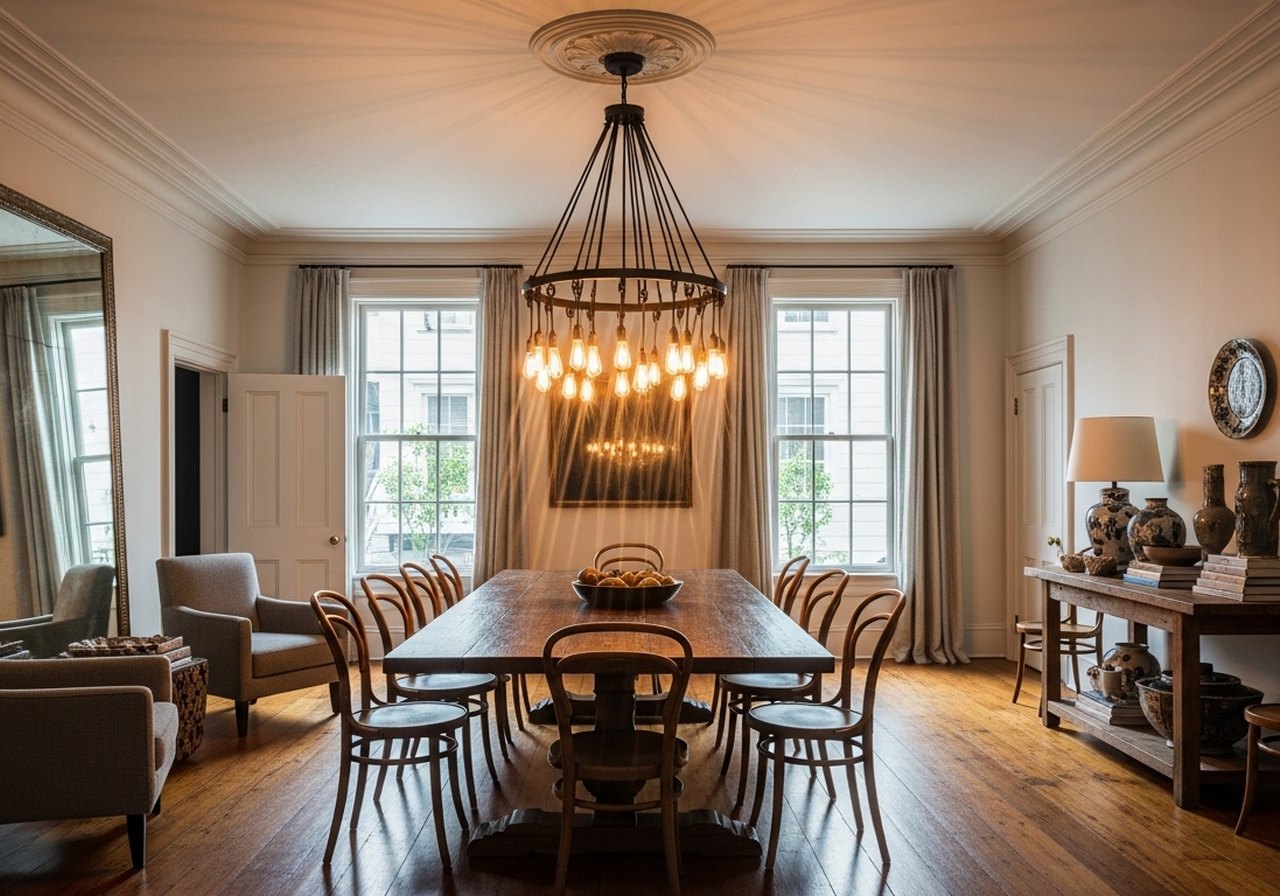
A statement pendant in the wrong room reads as imported. In the right one it looks like it was always meant to be there. The difference is proportion, material and the room's register, and three people have asked where ours came from.
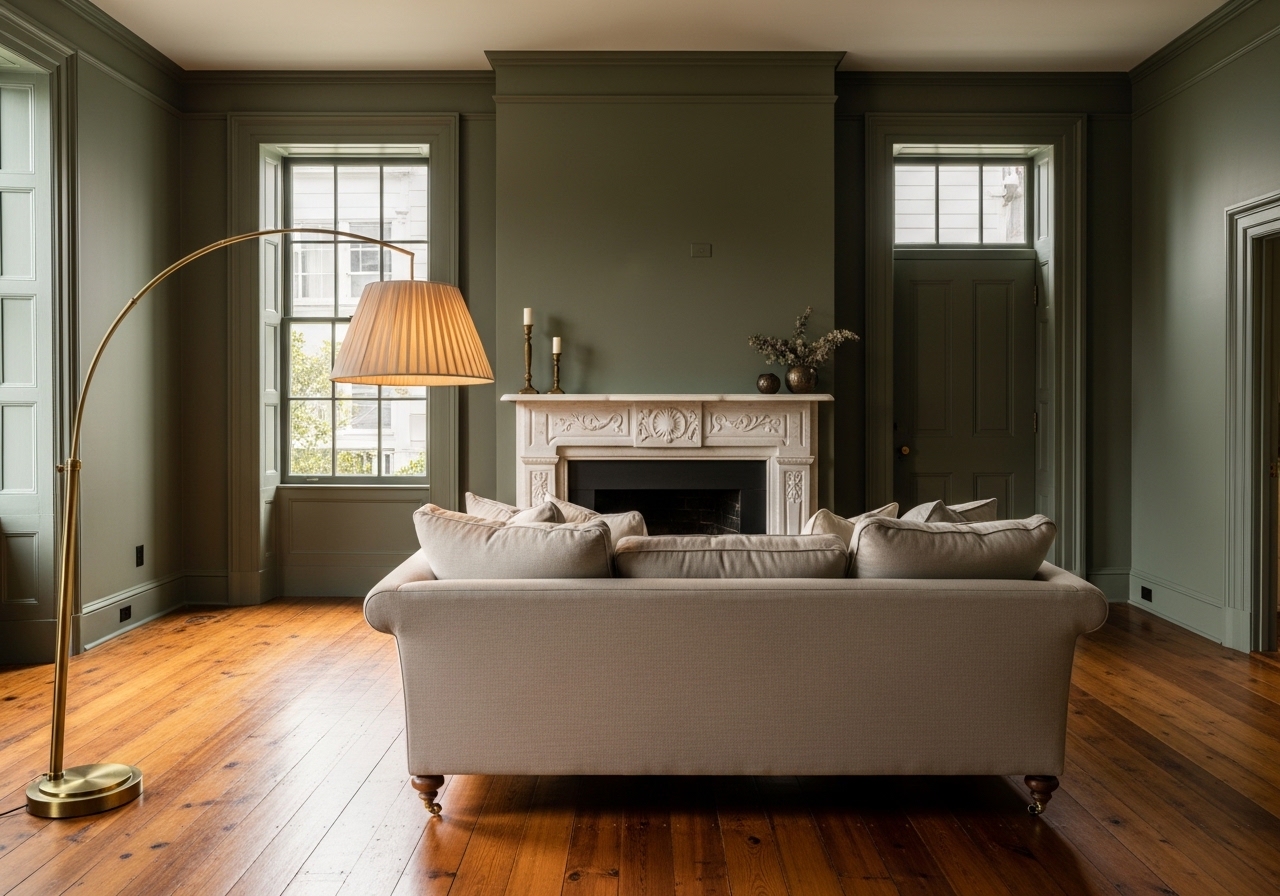
We painted this room three times, three gallons and about $200 in sample pots, before the color I should have started with. The lesson I keep relearning: paint a large swatch and live with it for a week. I know this. I have known it for years. I painted three walls before I learned it again.
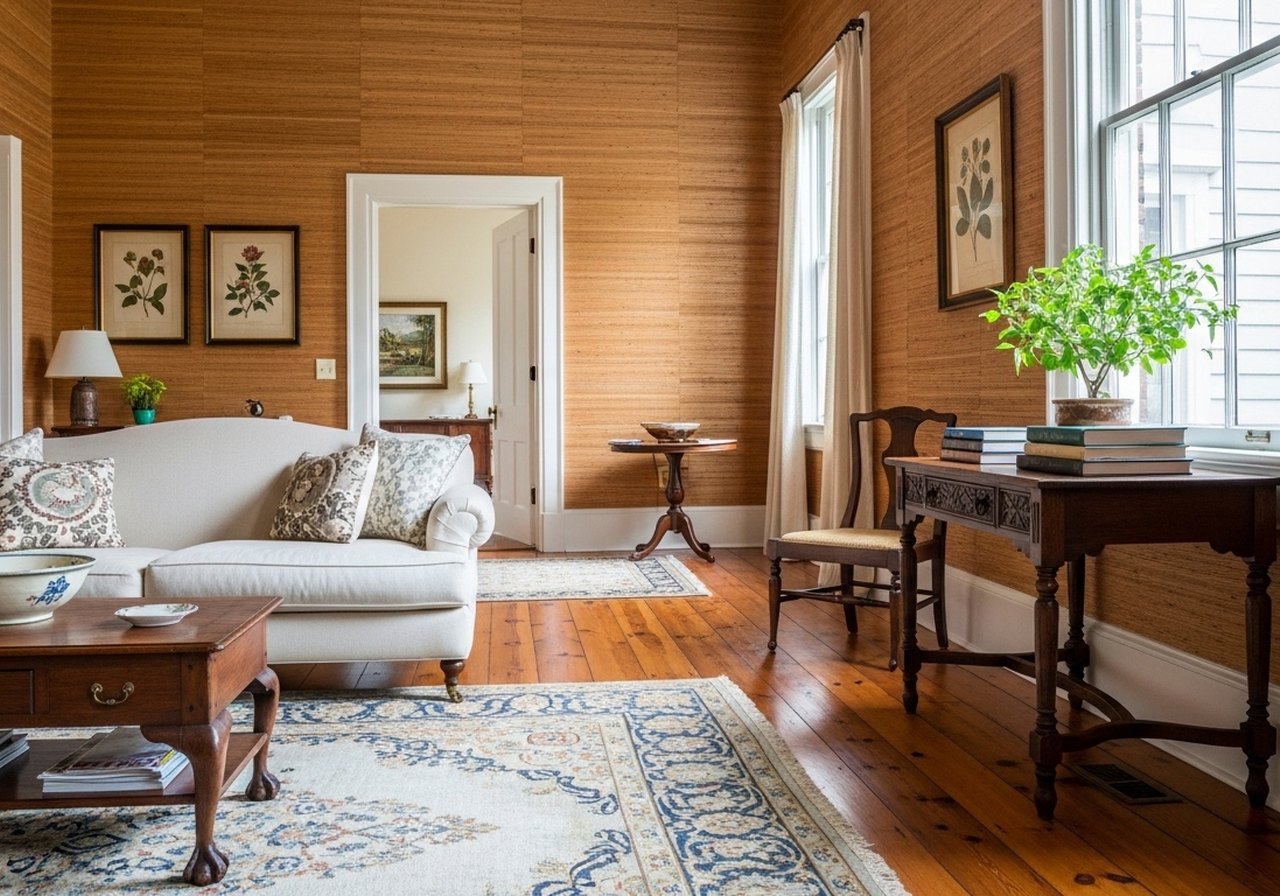
Wallpaper in a historic home requires more homework than wallpaper anywhere else. Forty prints were the wrong decade or the wrong scale; grasscloth was neither. Twelve rolls, a clay primer, an installer who had done plaster before, and the twelfth roll this post insists on.
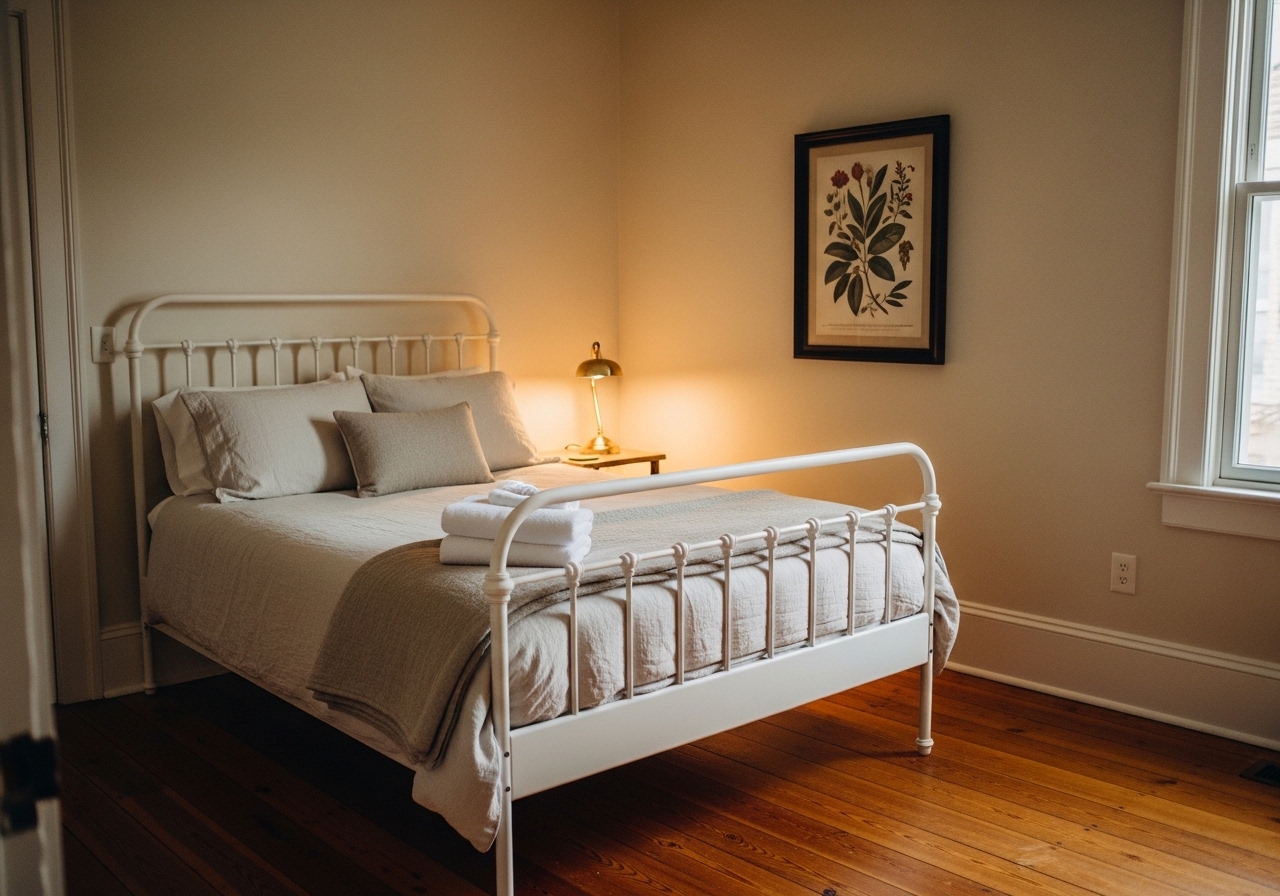
We had $400 and a guest arriving in three weeks. Good bones, no intention. A lamp, linen, one print and two plug-in sconces later, the room has a guest who specifically asked if they could come back, and the lighting was the cheapest part.
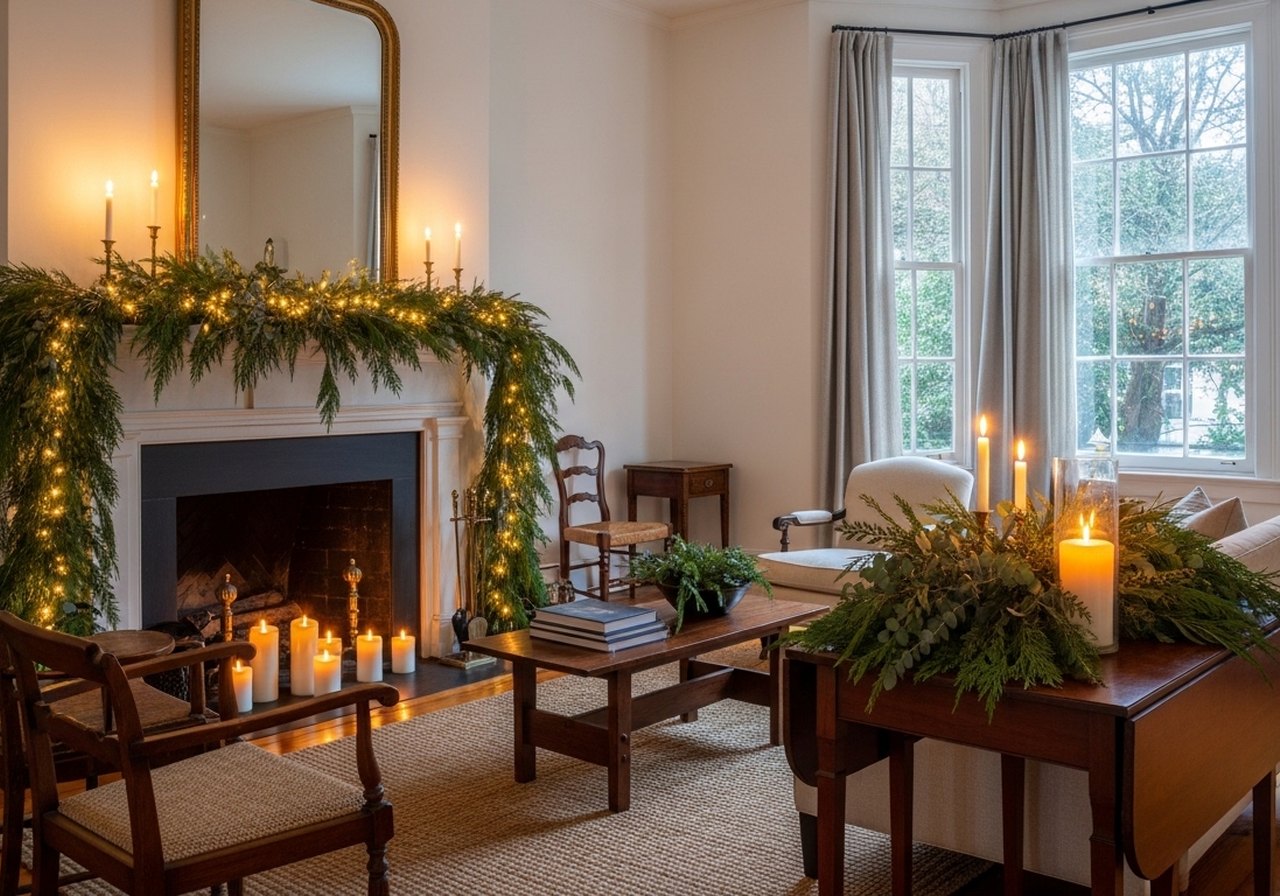
Holiday decor in a historic home is about editing, not adding. A house with strong architectural character does not need more; it needs the right things, placed with intention. Greenery, candles, amber bulbs in the sconces, and a house still visible under its Christmas.
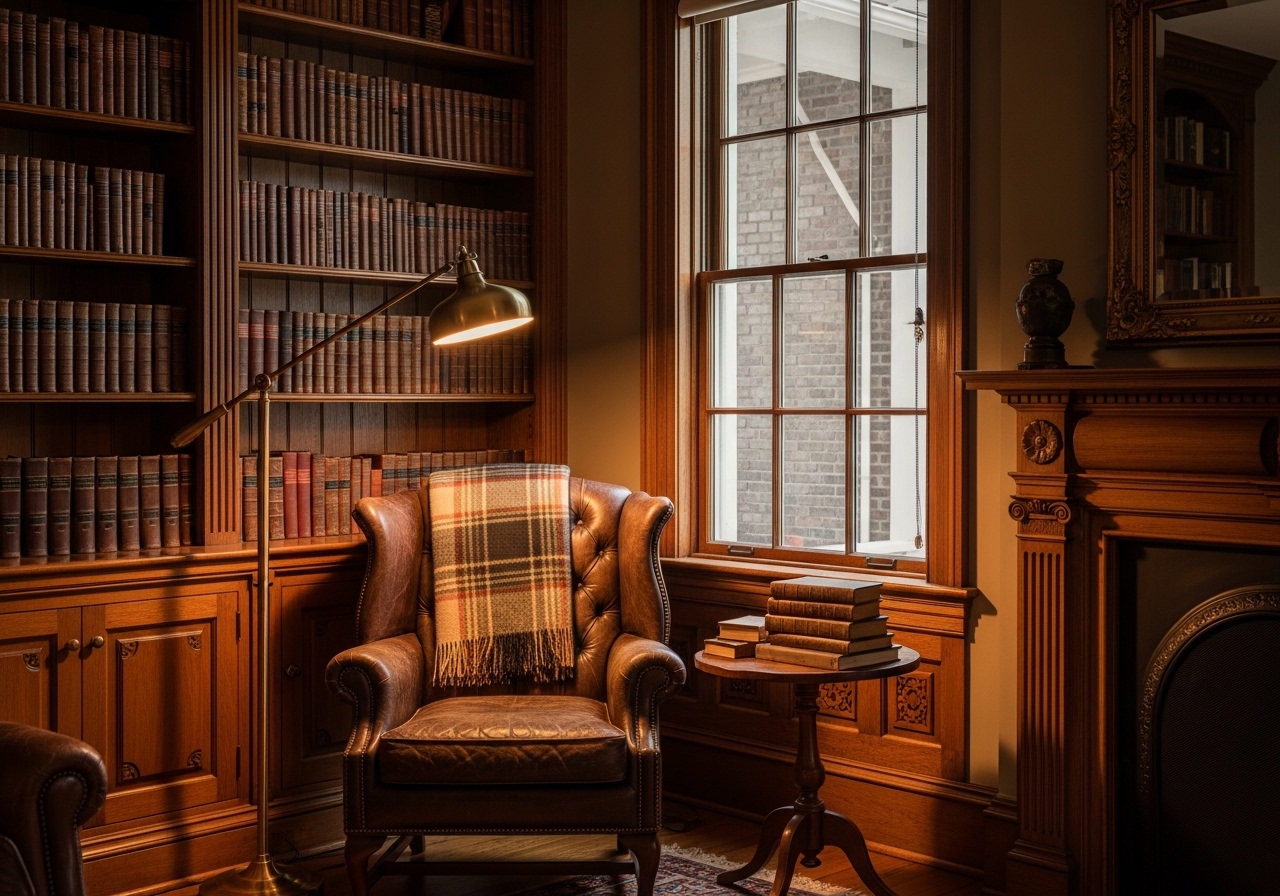
The house had a room we called the library with exactly zero bookshelves and a pullout sofa. It is now the most intentional room in the house and the one visitors spend the most time in, and the reading light was the most important decision in the whole project.
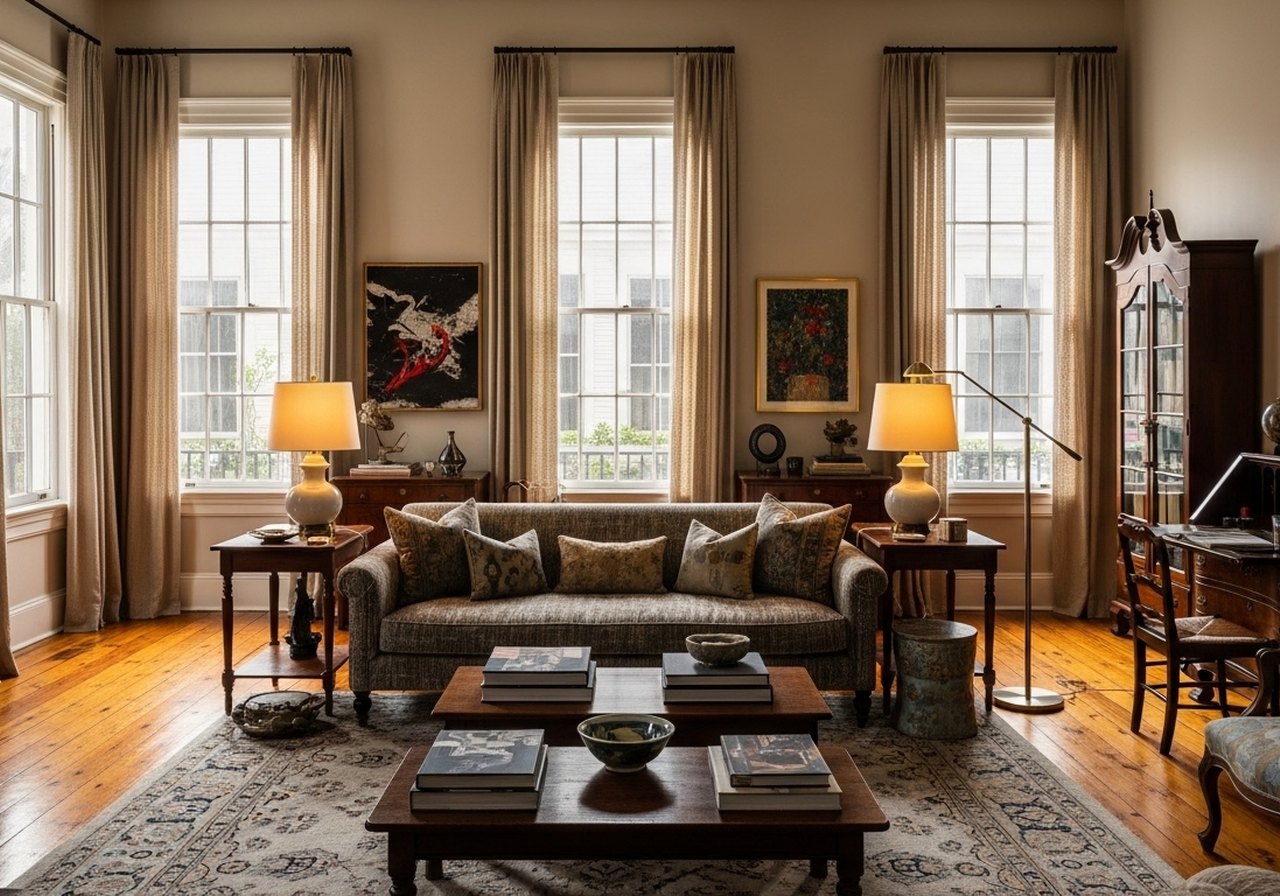
One $90 table lamp in the far corner did more for the room than the $1,200 sofa. We had the furniture right for six months and the room felt like a store; a friend said the corner was empty, and she meant a light. I still do not fully understand the physics.
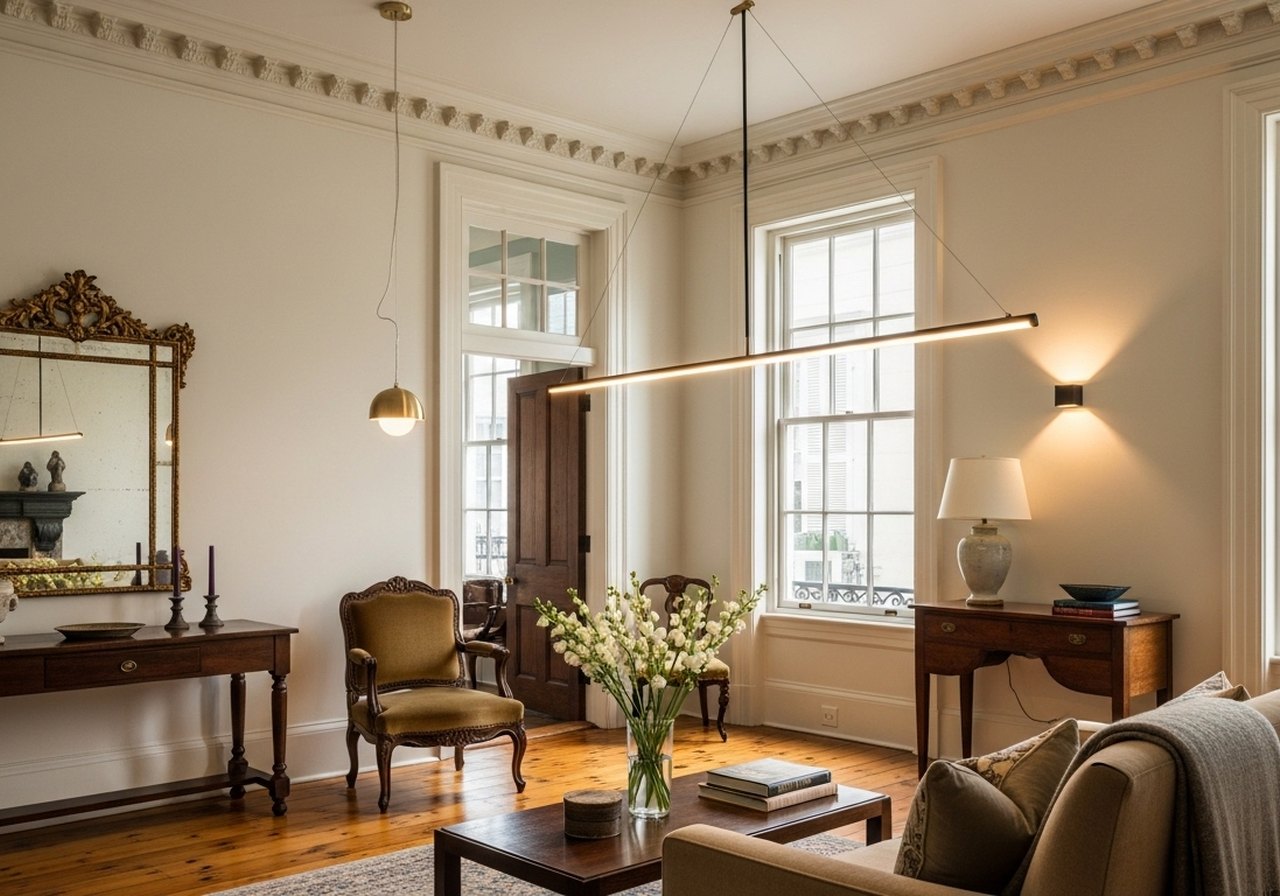
The rule is not match everything; it is match nothing by accident. A very new thing beside a very old thing works when the new thing is clearly chosen as a foil and knows it is new. About one modern piece for every two antiques, and the modern piece is usually the light.
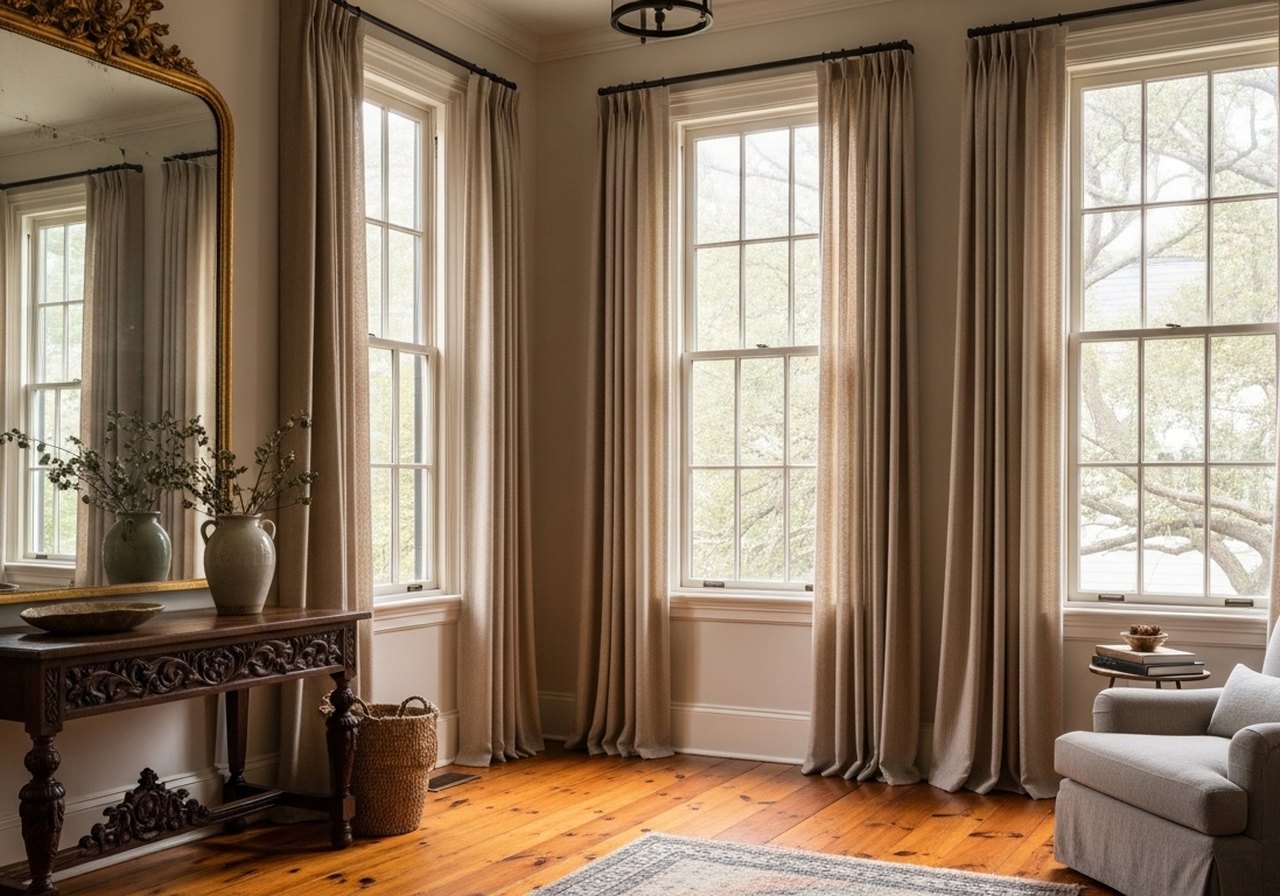
Our windows are 9 feet tall with original wavy glass, and standard rods were never going to work. The rod goes just under the crown regardless of where the frame sits, which is the trick that makes the wall look like glass, and the linen was made by a workroom that has dressed Charleston houses for thirty years.
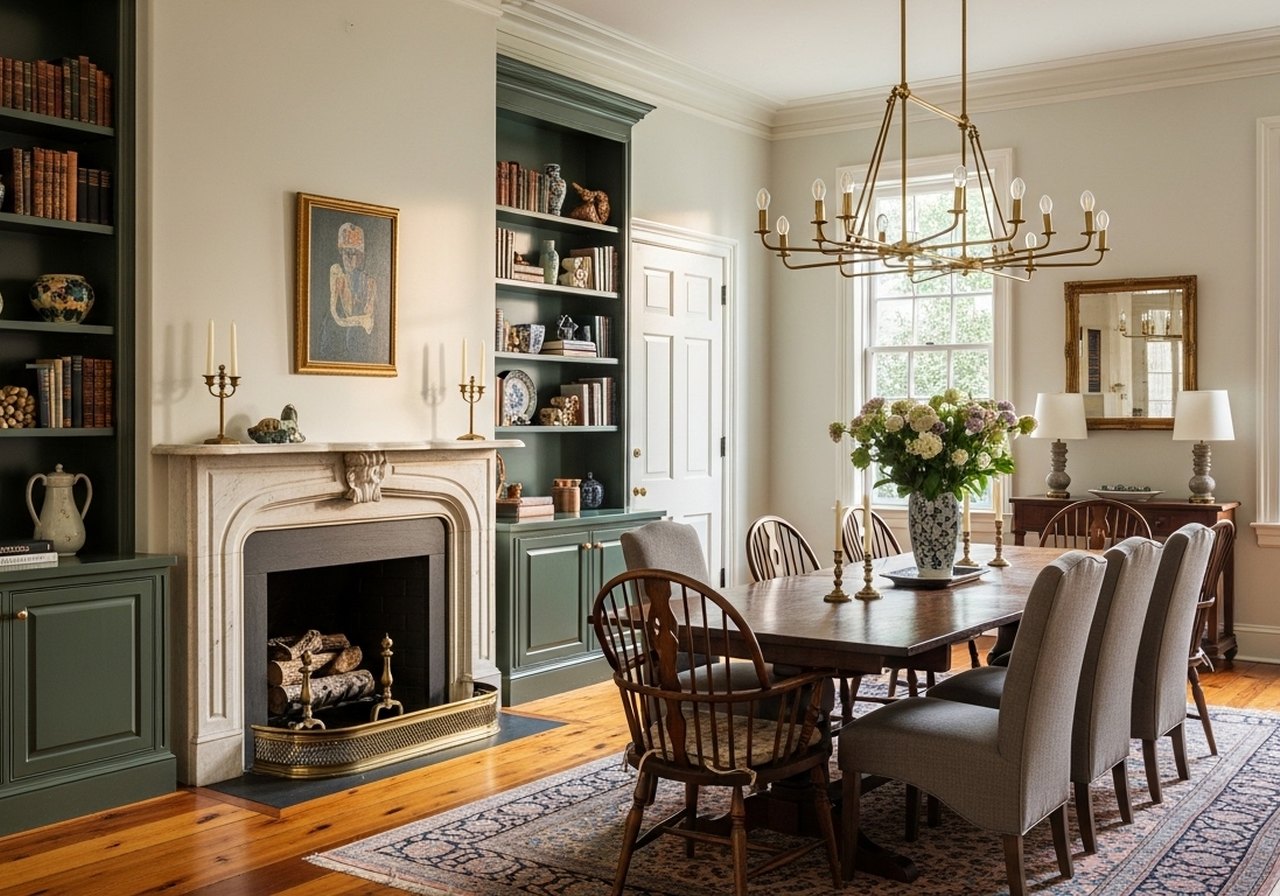
The dining room needed storage and presence, and flanking cabinets either side of the fireplace solved both for about $4,000 from a local millworker. Profiles matched to the existing trim, painted the wall color, shelves lit from a hidden strip, and a room that finally reads as it was drawn.
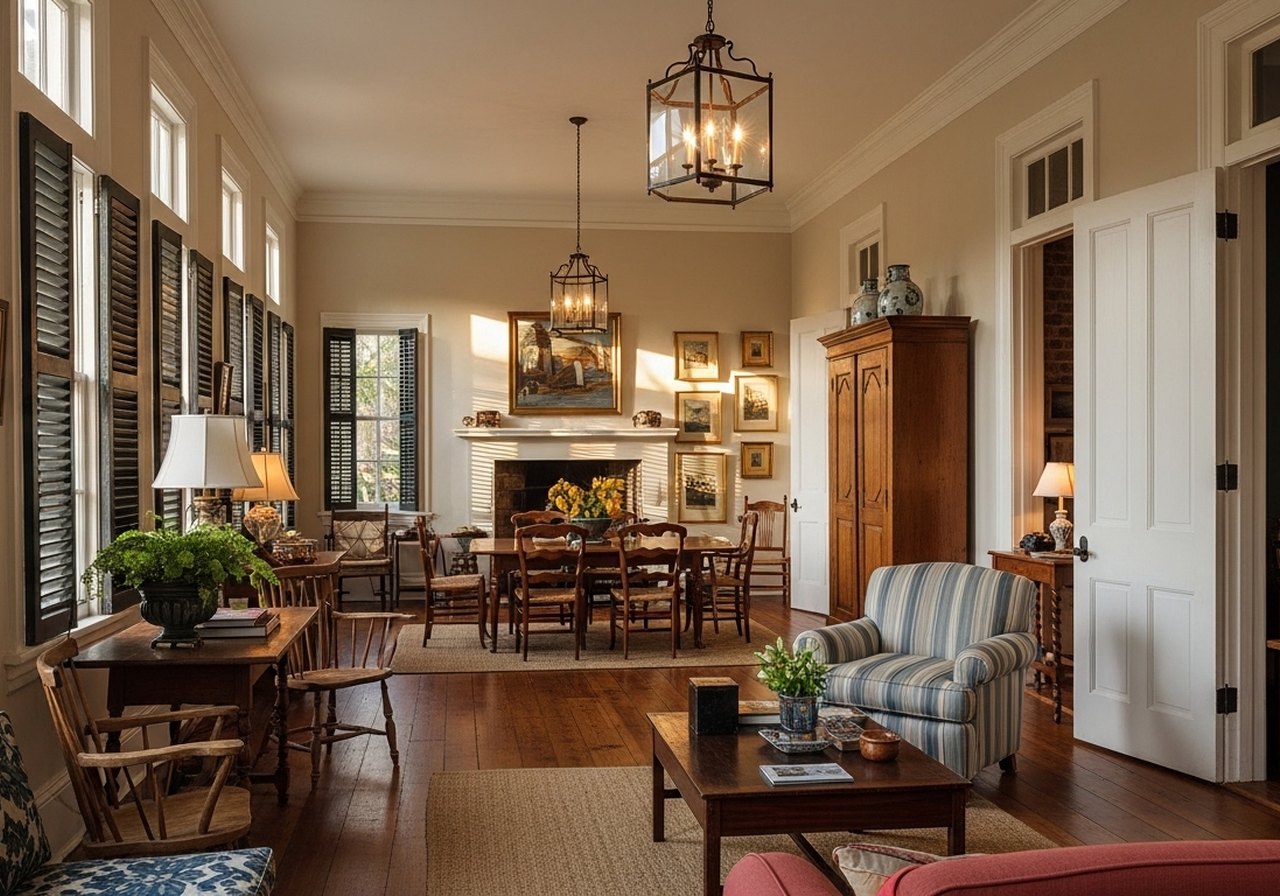
Learn what nobody tells you about buying and living in a historic home, from the inspection process to the first year of surprises, costs, and hard-won wisdom.
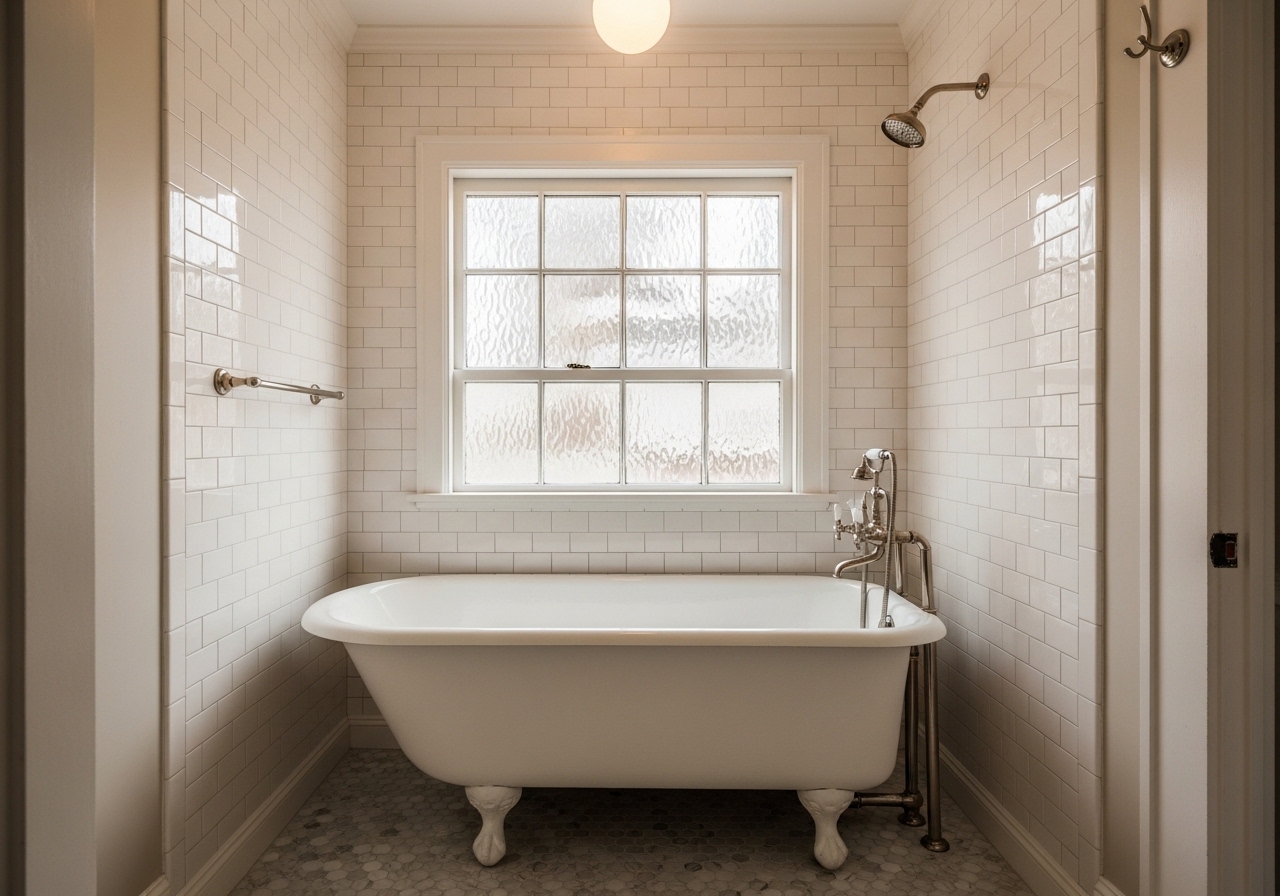
The clawfoot tub was non-negotiable: 66 inches of cast iron from a salvage warehouse, 400 pounds, four people up the stairs, zero regrets. The marble hex floor, the salvage window, the sconces installed last, and what I would do differently.
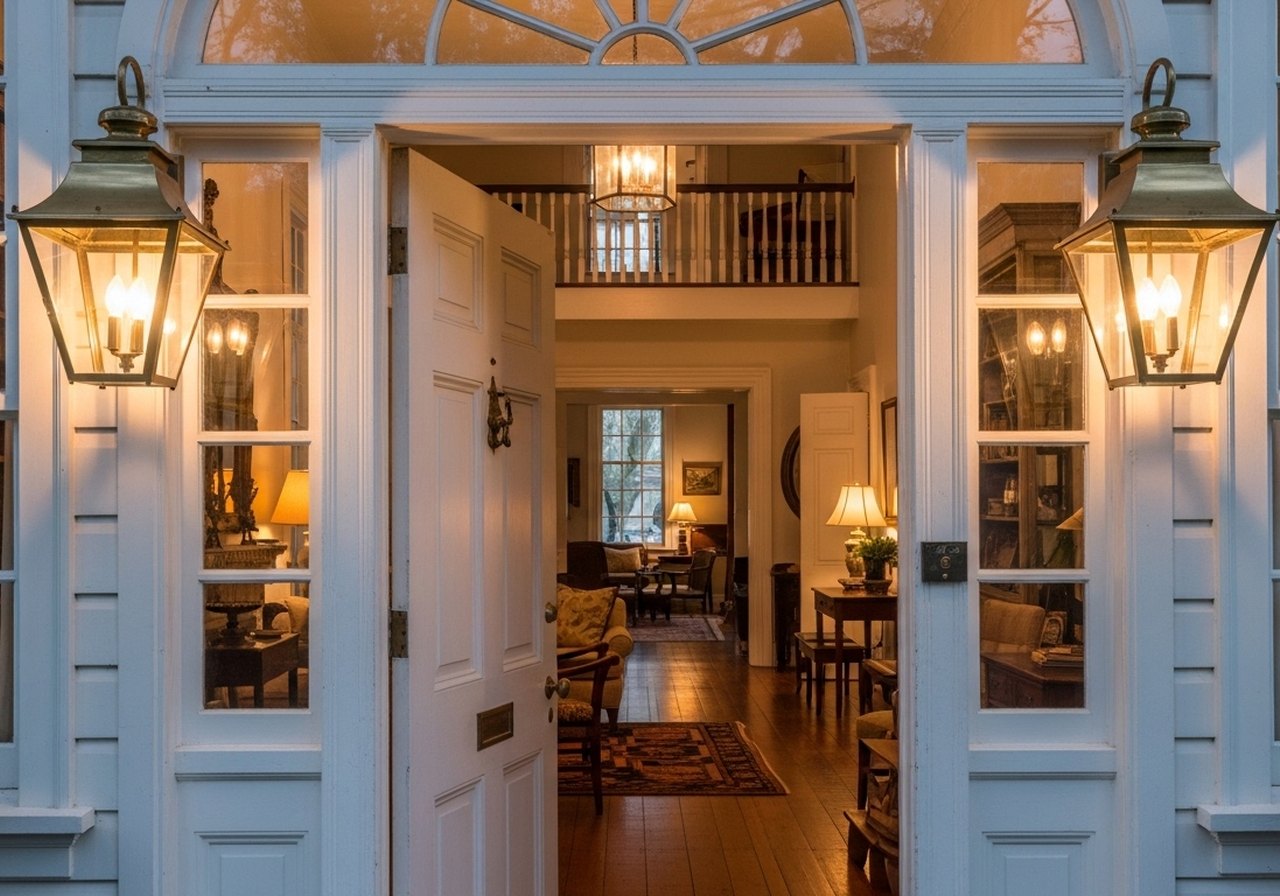
The house came with 1980s coach lanterns, two 40-watt equivalents on a 40-foot facade. We replaced them with cast-iron lanterns from a maker who still casts them the old way, found aluminum wiring in the boxes, and the front of the house at night is now something I am proud of from the sidewalk.
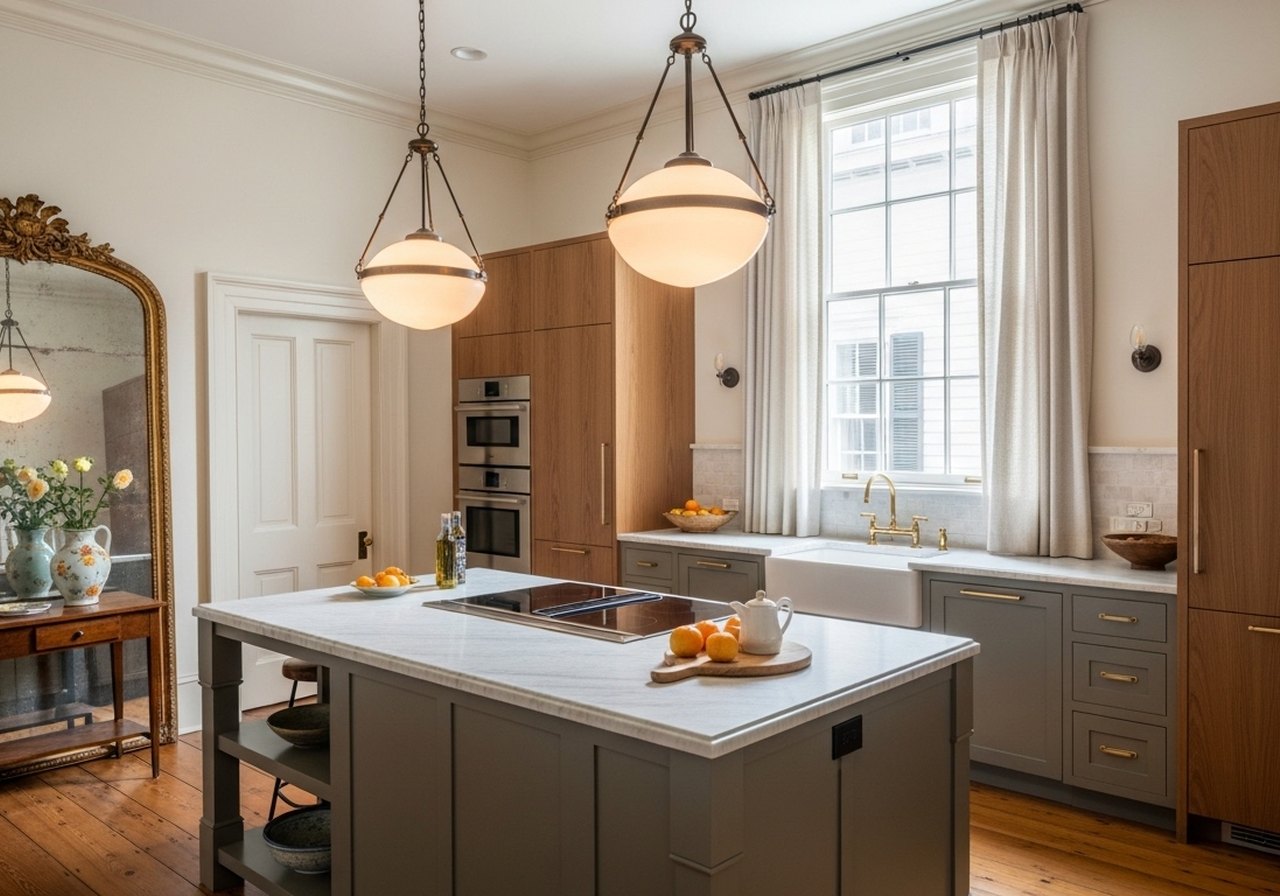
Discover the real lessons from renovating a kitchen in an 1892 Charleston single house, budget surprises, layout decisions, hardware choices, and what we'd redo.
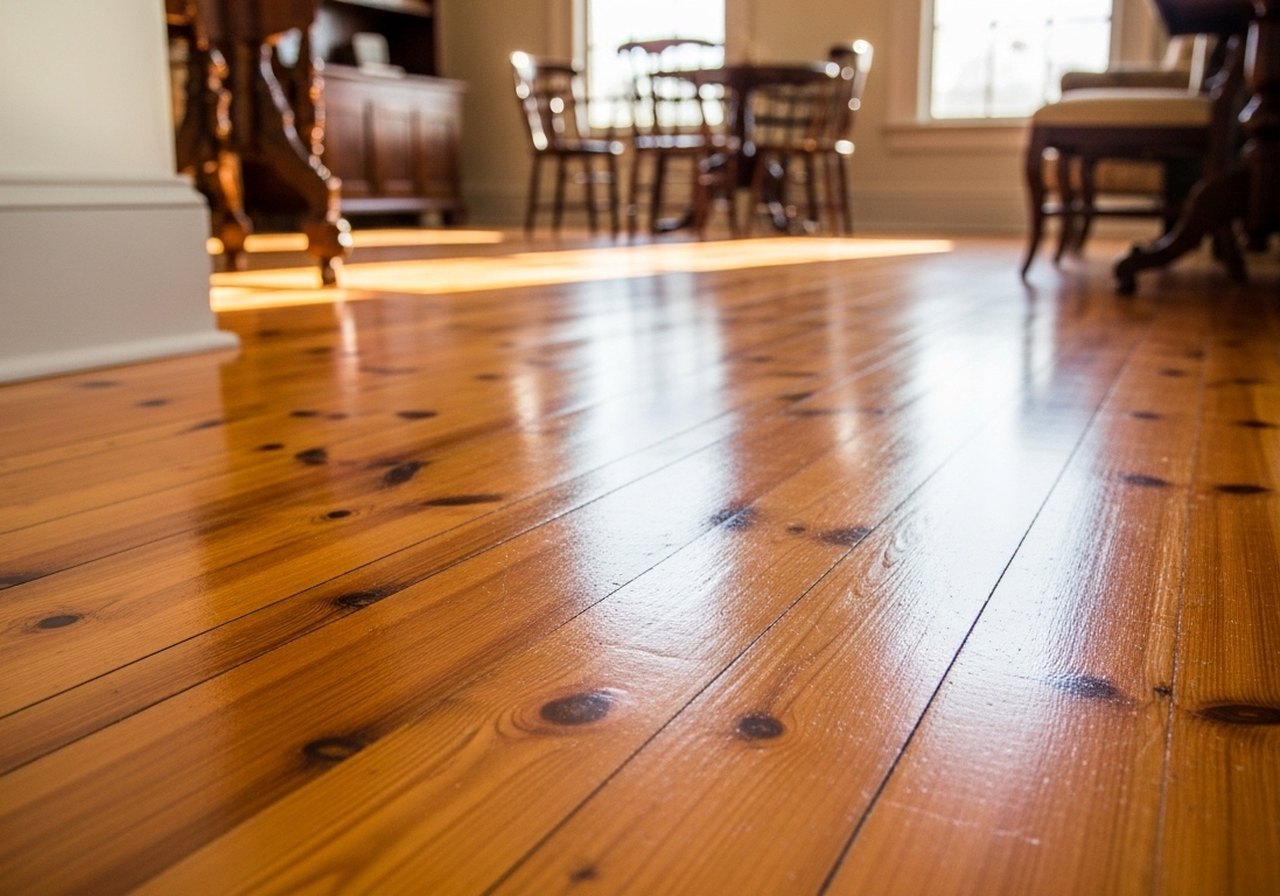
See what it really takes to refinish original heart pine floors in an 1890s home, grit sequence, finish choice, costs, and the mistakes we'd avoid next time.
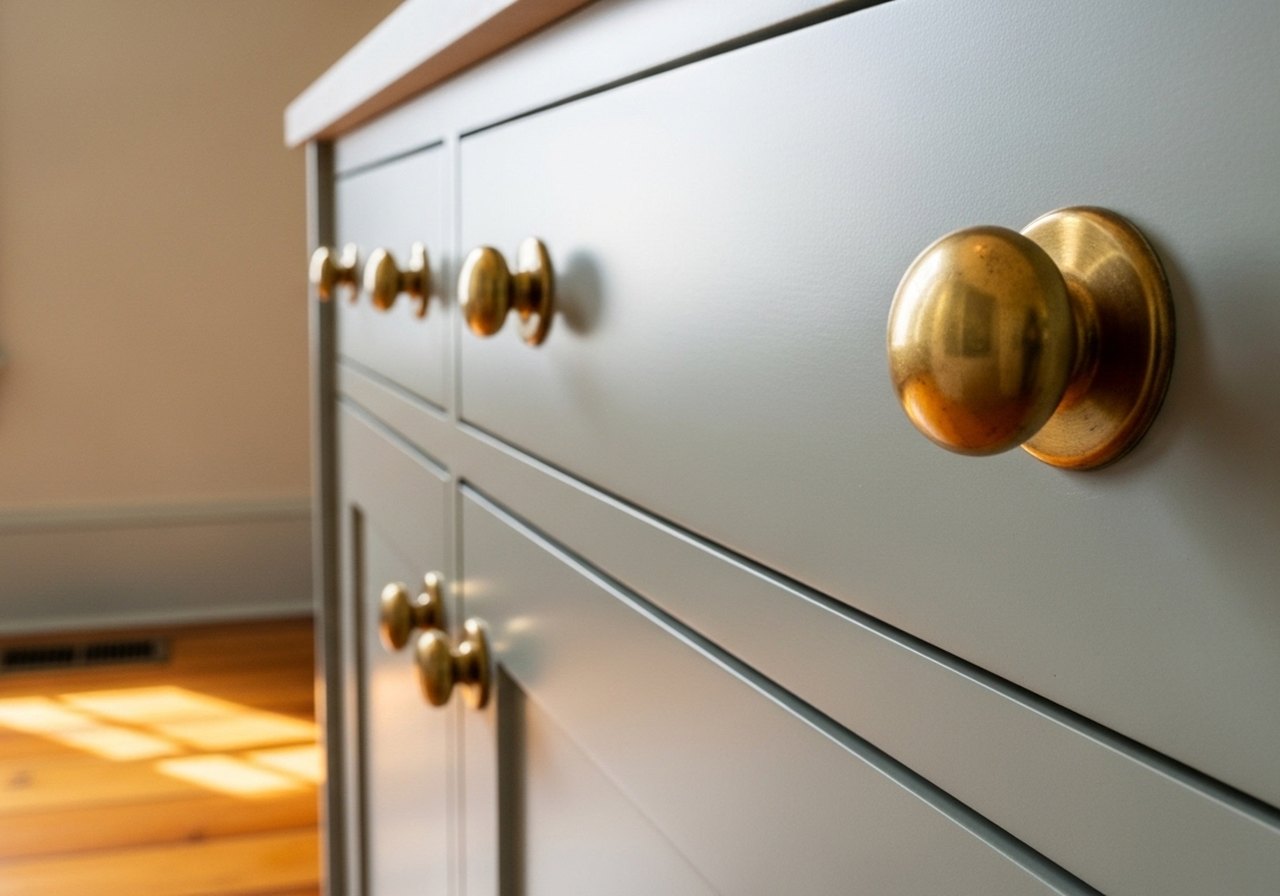
Every hardware decision came down to one question: will it look right in forty years? Chrome will not. Nickel probably will not. Unlacquered brass will, because it has no coating to fail. A year in, it looks like it has always been in the room.
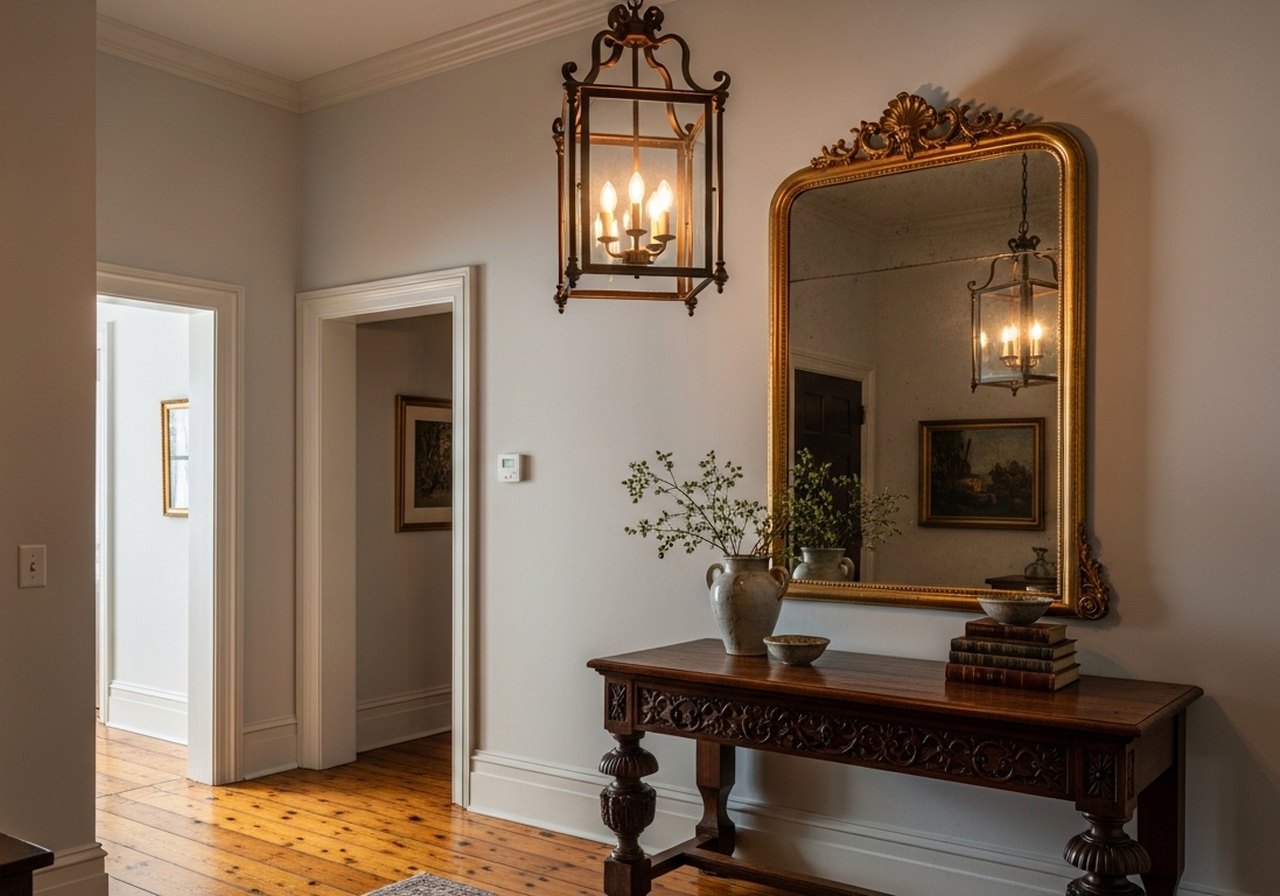
When we bought the house the entry had been painted the same greige six times, by six people across six decades. Underneath: heart pine, wainscoting and plaster that just needed to be seen. The stripping, the cream, the lantern that finished it, and every dollar.
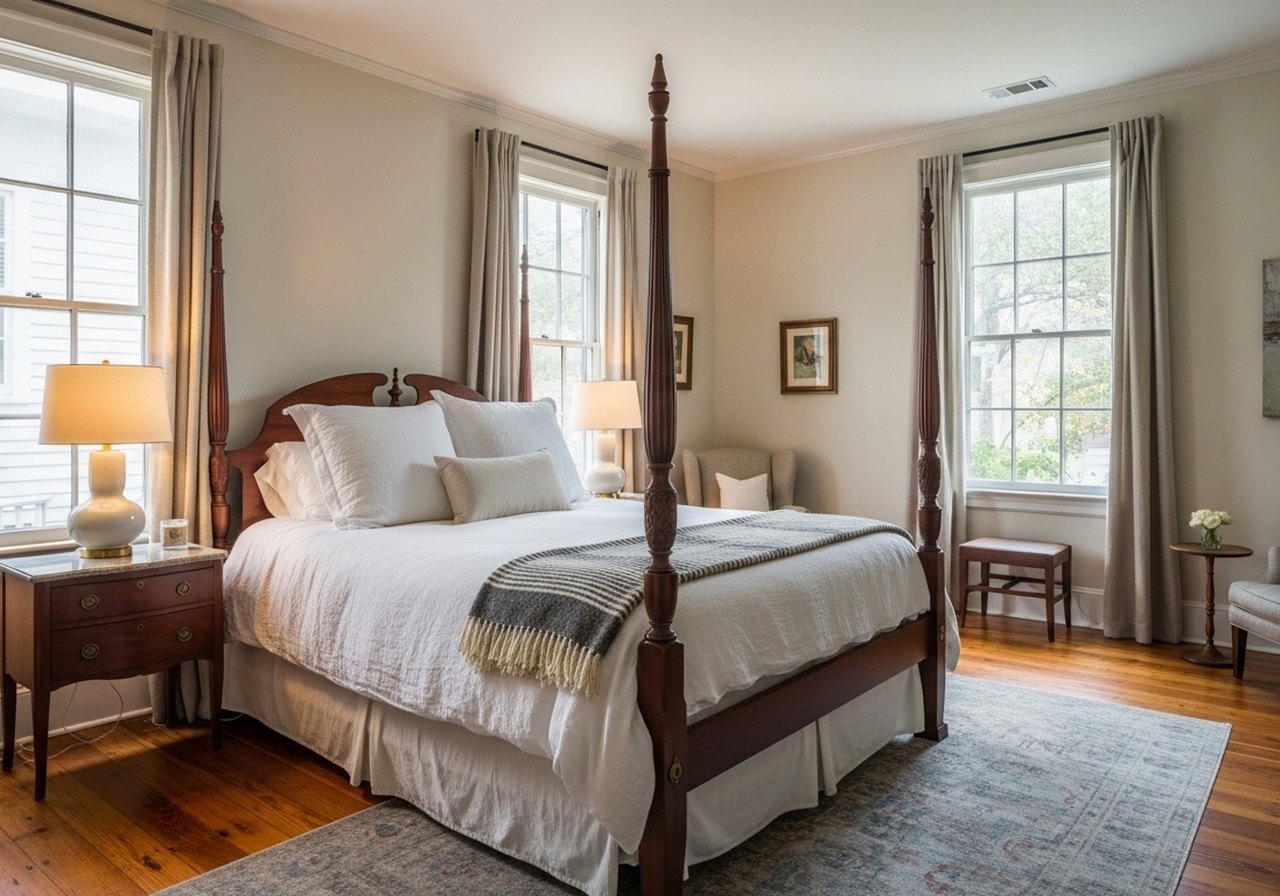
We repainted it four times and the lighting went through three iterations, about $4,500 over three months. Good rooms require iteration, and this is the full documented process, including the pendant that loomed from the pillow and the sconces that lit my face instead of the book.
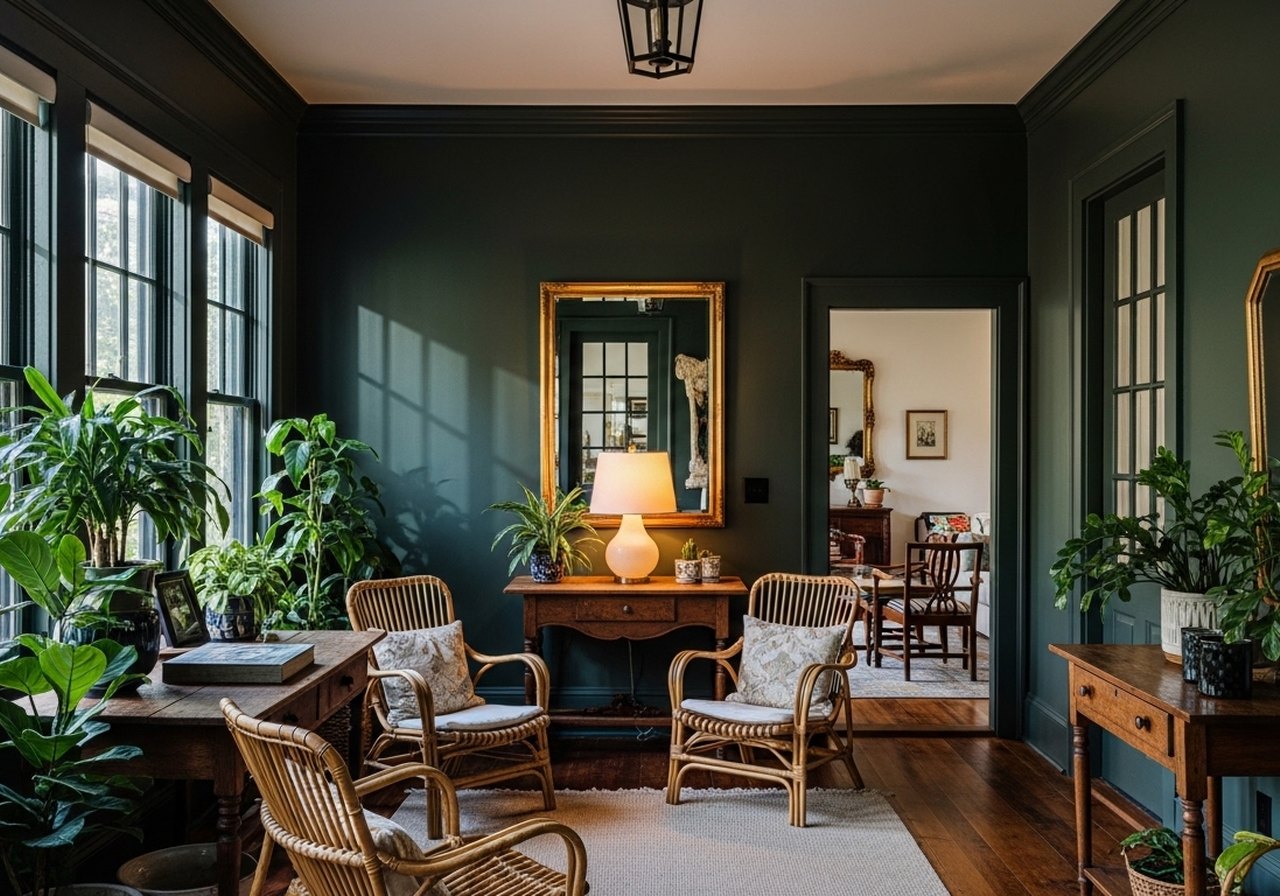
My husband said painting a sunroom dark would defeat the purpose of a sunroom. I argued it could be a cozy room that happens to have a lot of windows. One sample wall and a lamp later he stopped arguing, and he now calls it his favorite room in the house.
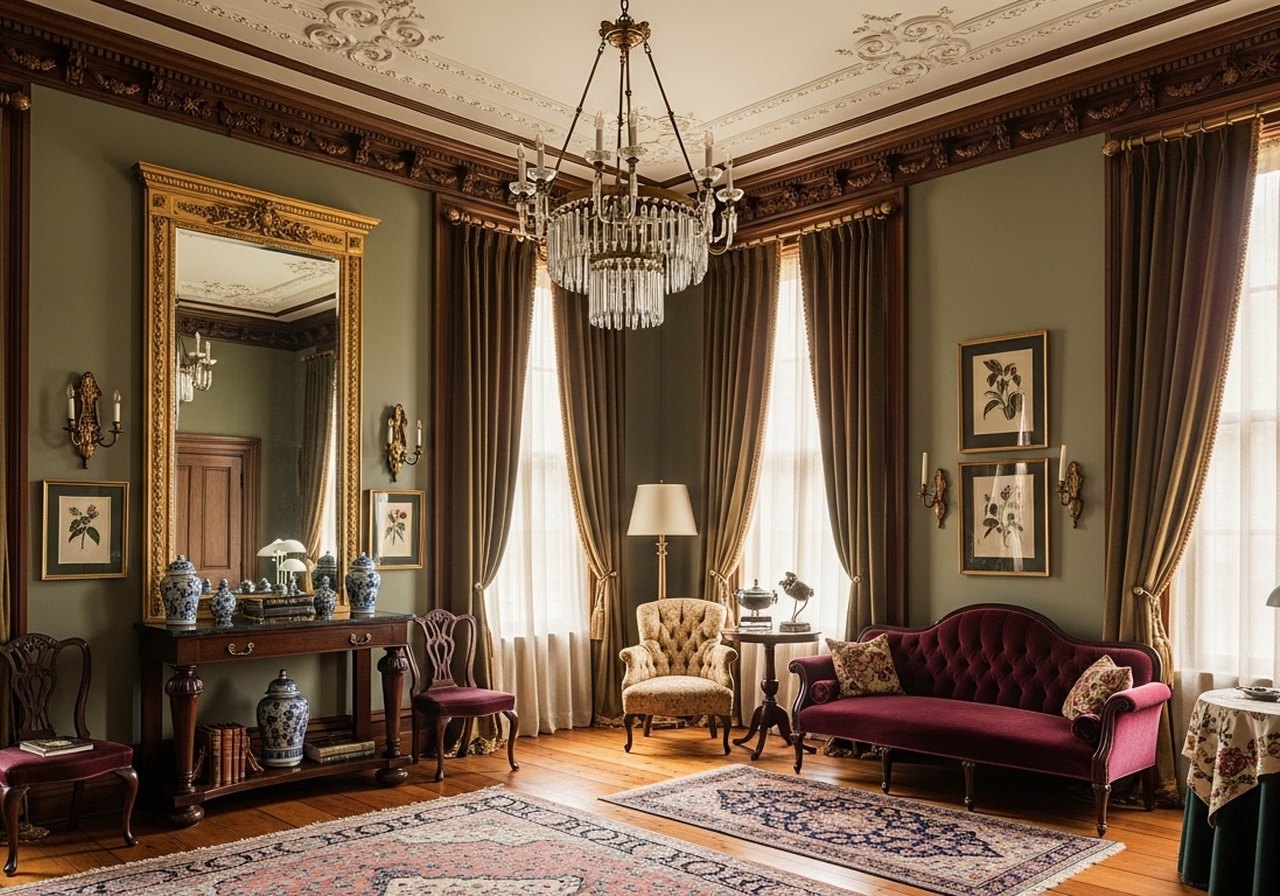
See the complete before and after of our Victorian parlor restoration, original plaster repair, period-appropriate paint, lighting, and the decisions that made it work.